 |
 |
 |
|
||
|
||
| ||
|
|
|
|
|
||
|
||
| ||
|
We've been waiting for it.
And finally, here is the new architecture: a correction of past mistakes and a solid foundation for the future. But is it really so? We are going to probe into both aspects.  CONTENTS
Quality of trilinear filtering and anisotropy
|
Trilinear filtering (Angle 0) |
||
GeForce FX 5950 Ultra |
GeForce 6800 Ultra |
RADEON 9800XT |
High Quality |
||
- |
 |
 |
Quality |
||
 |
 |
 |
Performance |
||
 |
 |
 |
High Performance |
||
 |
 |
 |
Trilinear filtering (Angle 30) |
||
GeForce FX 5950 Ultra |
GeForce 6800 Ultra |
RADEON 9800XT |
High Quality |
||
- |
 |
 |
Quality |
||
 |
 |
 |
Performance |
||
 |
 |
 |
High Performance |
||
 |
 |
 |
Trilinear filtering (Angle 45) |
||
GeForce FX 5950 Ultra |
GeForce 6800 Ultra |
RADEON 9800XT |
High Quality |
||
- |
 |
 |
Quality |
||
 |
 |
 |
Performance |
||
 |
 |
 |
High Performance |
||
 |
 |
 |
Trilinear filtering (Angle 60) |
||
GeForce FX 5950 Ultra |
GeForce 6800 Ultra |
RADEON 9800XT |
High Quality |
||
- |
 |
 |
Quality |
||
 |
 |
 |
Performance |
||
 |
 |
 |
High Performance |
||
 |
 |
 |
Trilinear filtering (Angle 90) |
||
GeForce FX 5950 Ultra |
GeForce 6800 Ultra |
RADEON 9800XT |
High Quality |
||
- |
 |
 |
Quality |
||
 |
 |
 |
Performance |
||
 |
 |
 |
High Performance |
||
 |
 |
 |
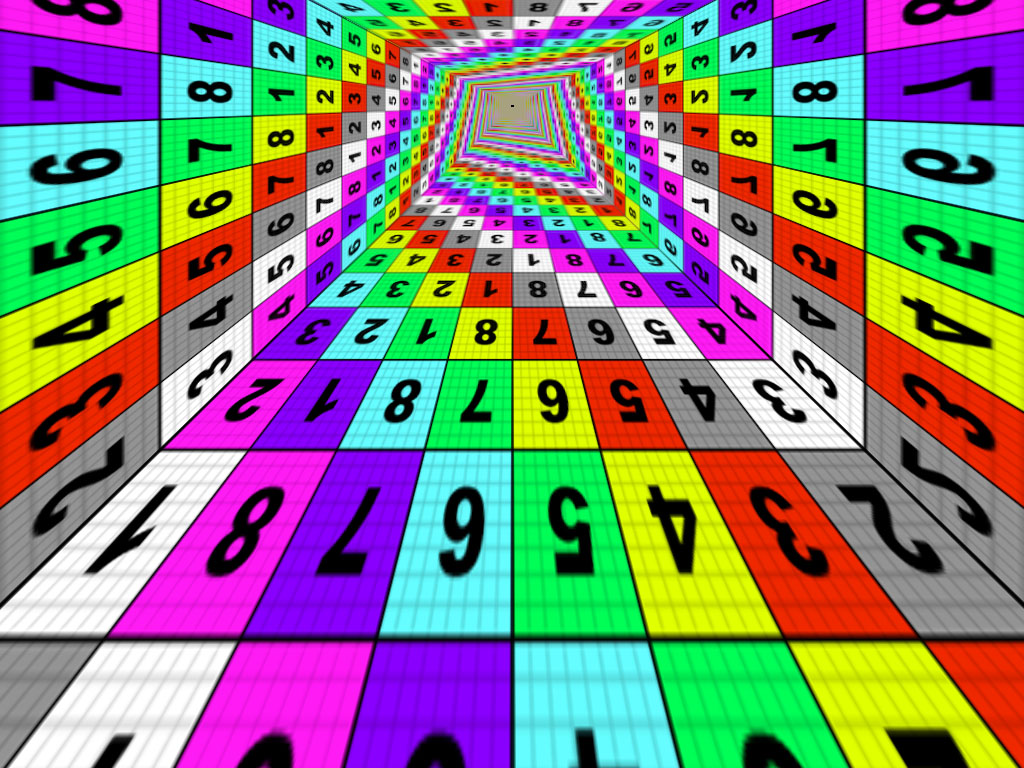
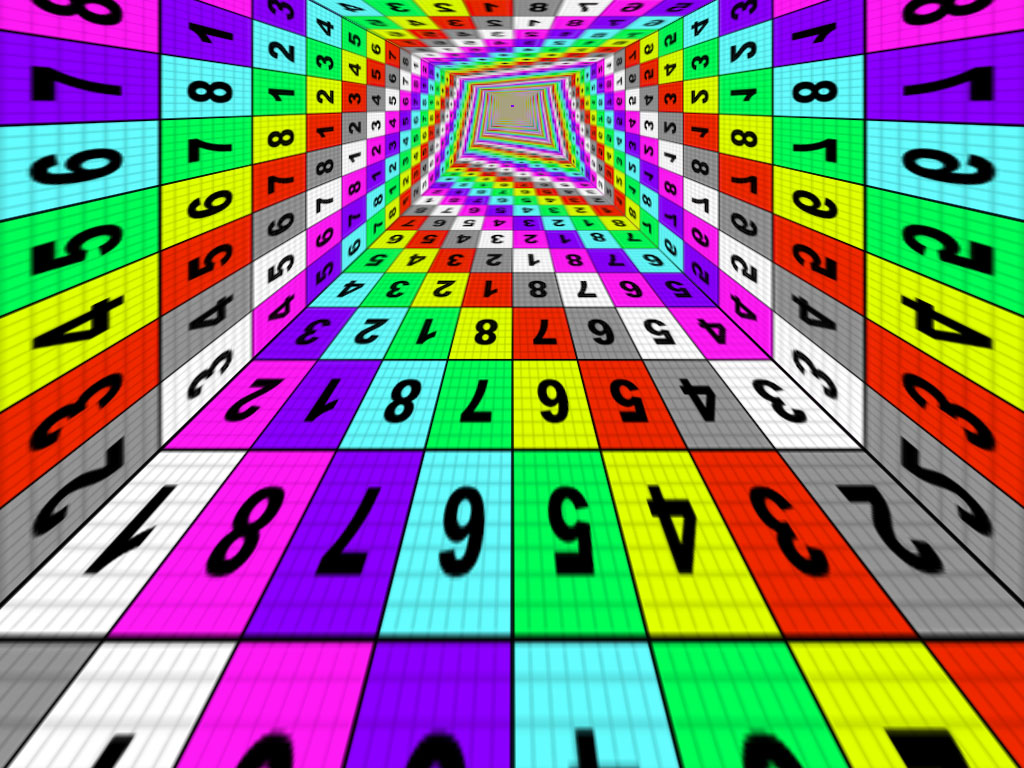
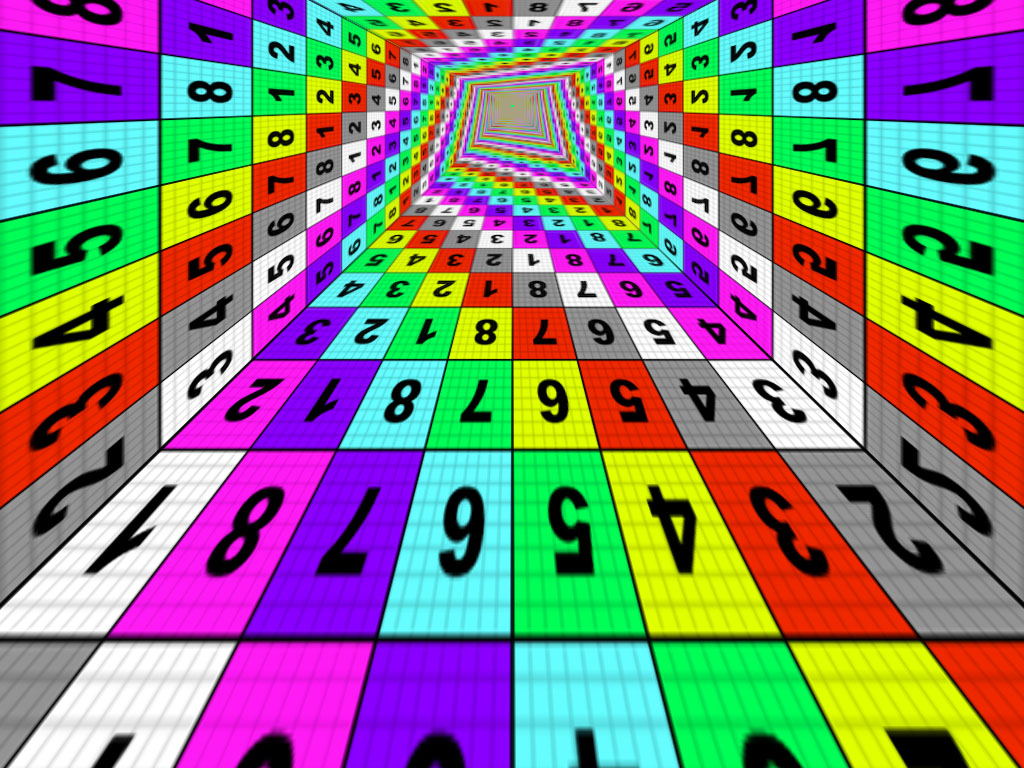
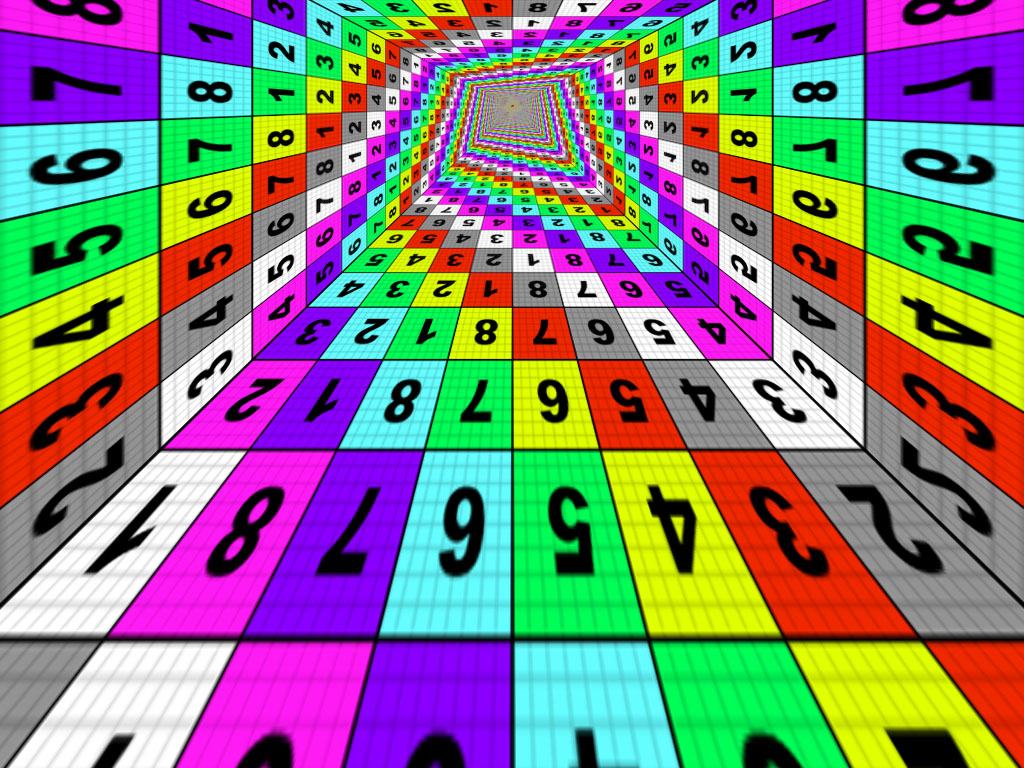
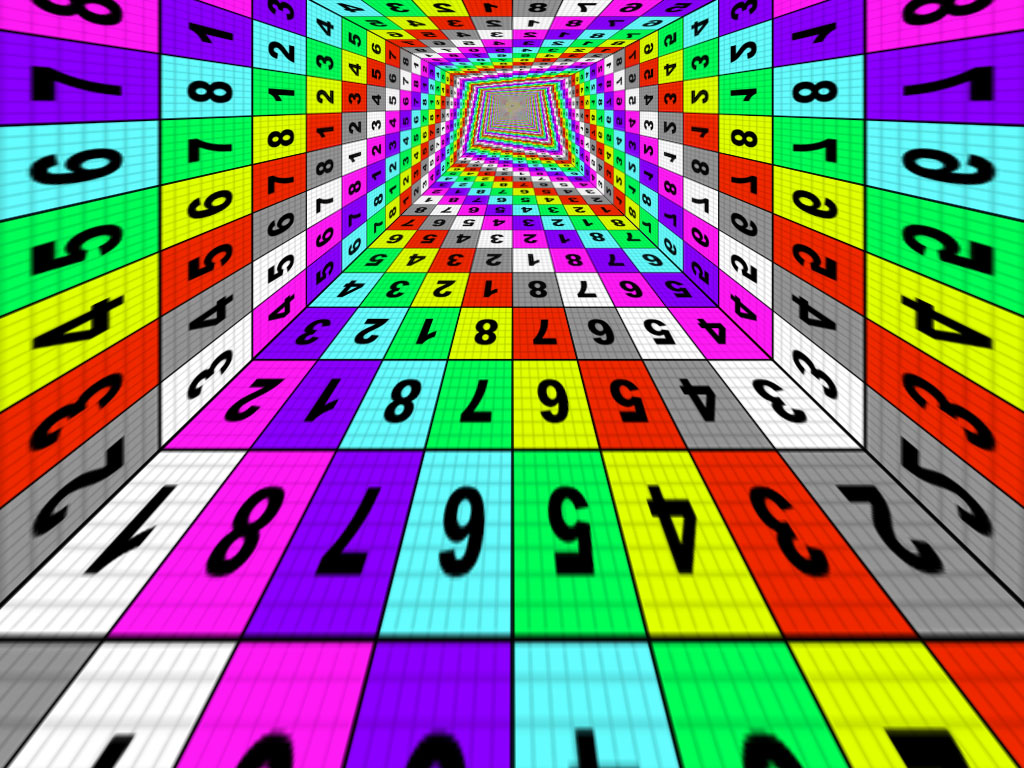
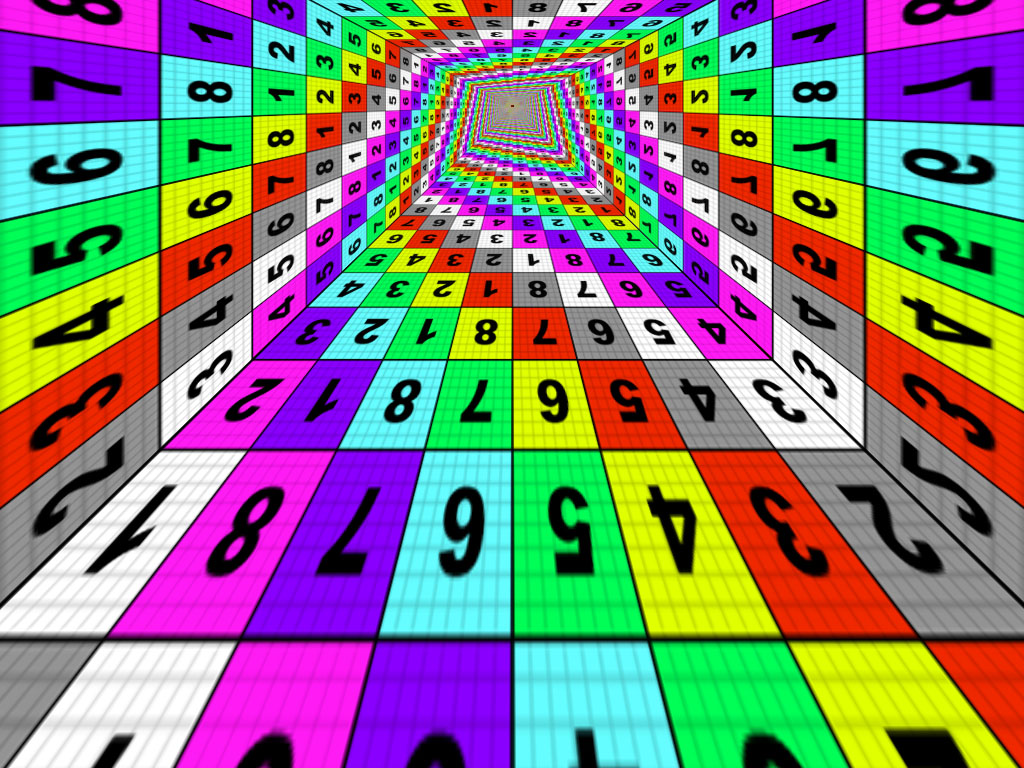
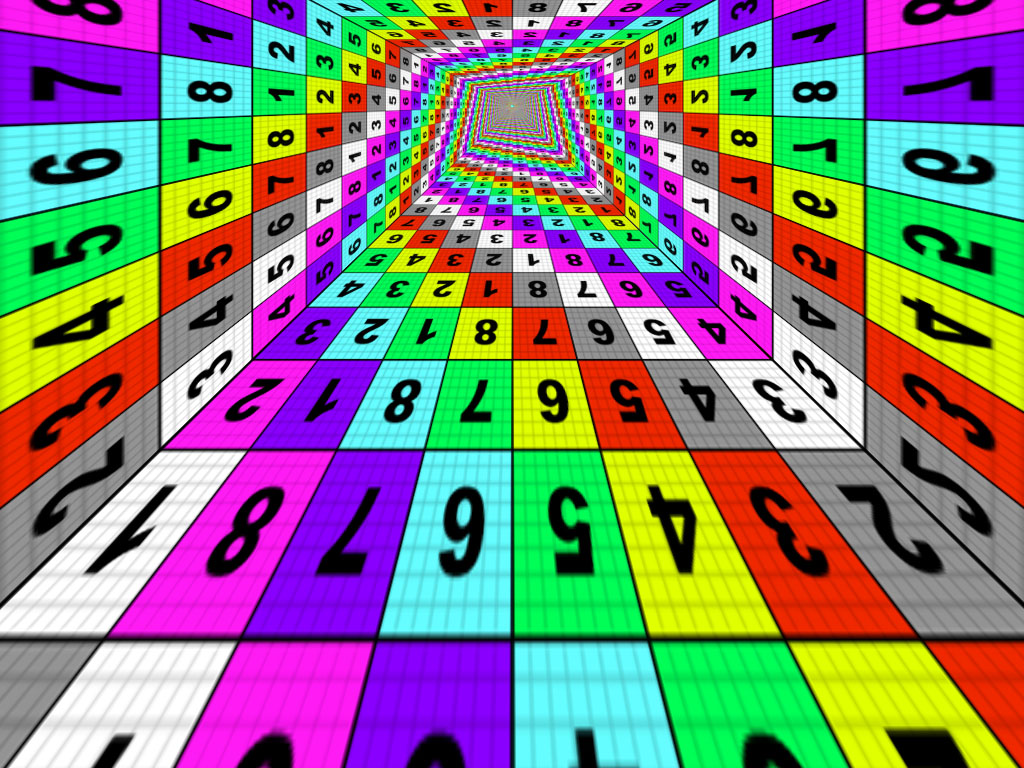
Anisotropic filtering (Angle 0) |
||
GeForce FX 5950 Ultra |
GeForce 6800 Ultra |
RADEON 9800XT |
Anisotropic 0x |
||
 |
 |
 |
Anisotropic 8x |
||
 |
 |
 |
Anisotropic 16x |
||
- |
 |
 |
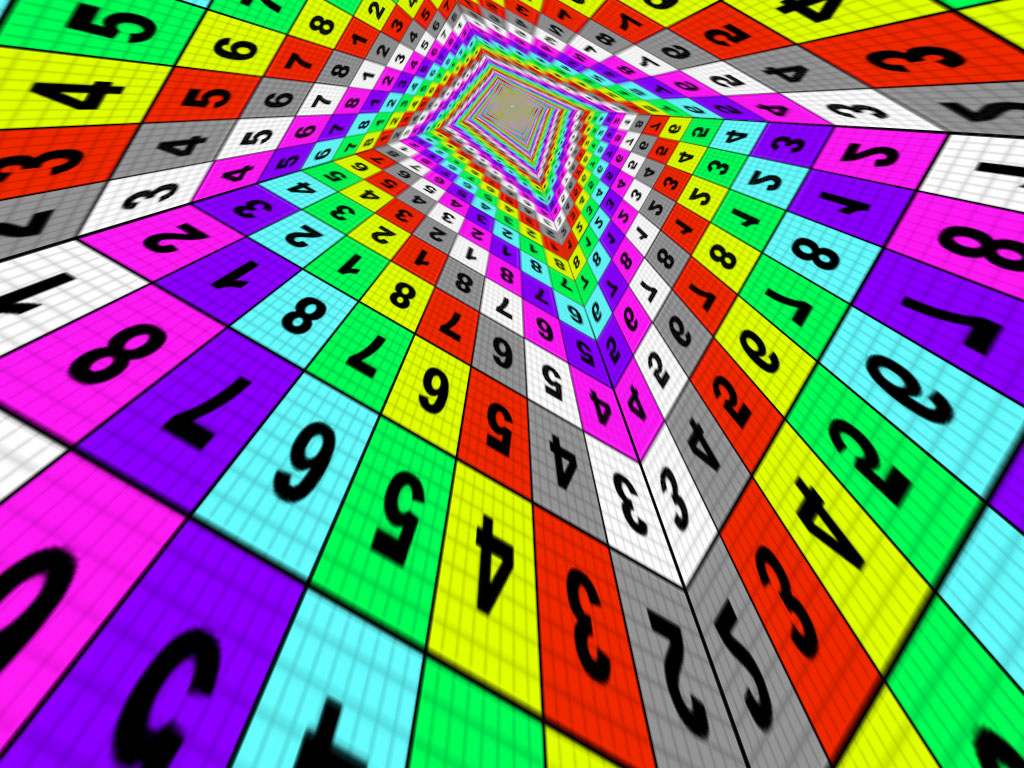
Anisotropic filtering (Angle 30) |
||
GeForce FX 5950 Ultra |
GeForce 6800 Ultra |
RADEON 9800XT |
Anisotropic 0x |
||
 |
 |
 |
Anisotropic 8x |
||
 |
 |
 |
Anisotropic 16x |
||
- |
 |
 |
Anisotropic filtering (Angle 45) |
||
GeForce FX 5950 Ultra |
GeForce 6800 Ultra |
RADEON 9800XT |
Anisotropic 0x |
||
 |
 |
 |
Anisotropic 8x |
||
 |
 |
 |
Anisotropic 16x |
||
- |
 |
 |
Anisotropic filtering (Angle 60) |
||
GeForce FX 5950 Ultra |
GeForce 6800 Ultra |
RADEON 9800XT |
Anisotropic 0x |
||
 |
 |
 |
Anisotropic 8x |
||
 |
 |
 |
Anisotropic 16x |
||
- |
 |
 |
Anisotropic filtering (Angle 90) |
||
GeForce FX 5950 Ultra |
GeForce 6800 Ultra |
RADEON 9800XT |
Anisotropic 0x |
||
 |
 |
 |
Anisotropic 8x |
||
 |
 |
 |
Anisotropic 16x |
||
- |
 |
 |
|
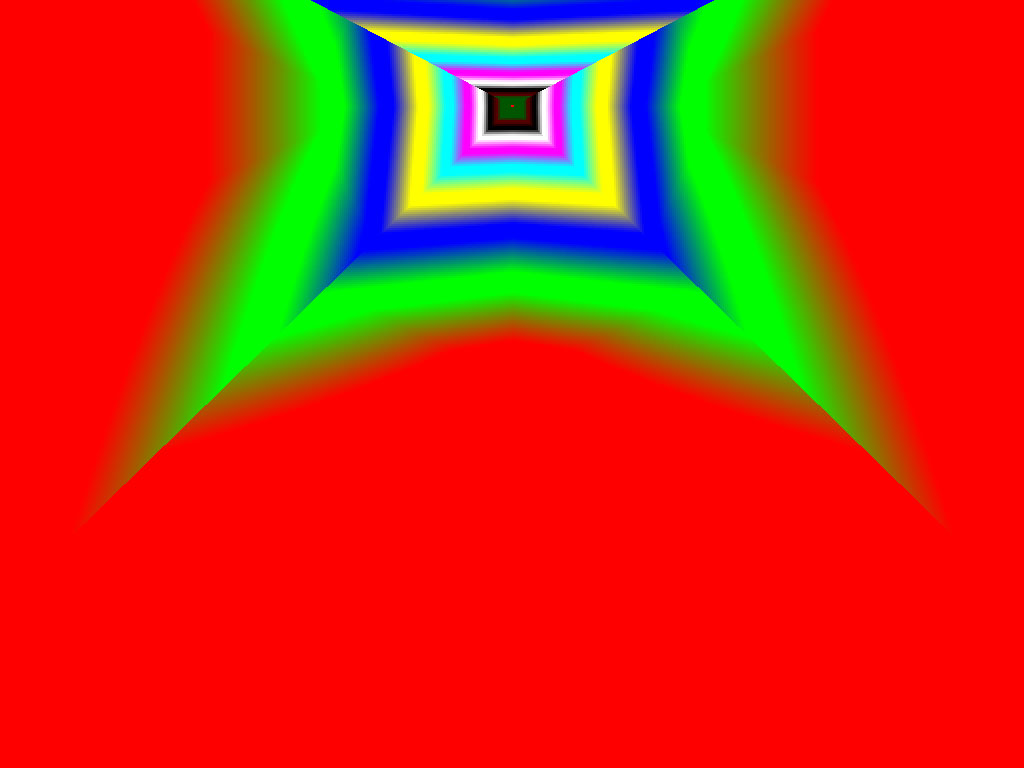
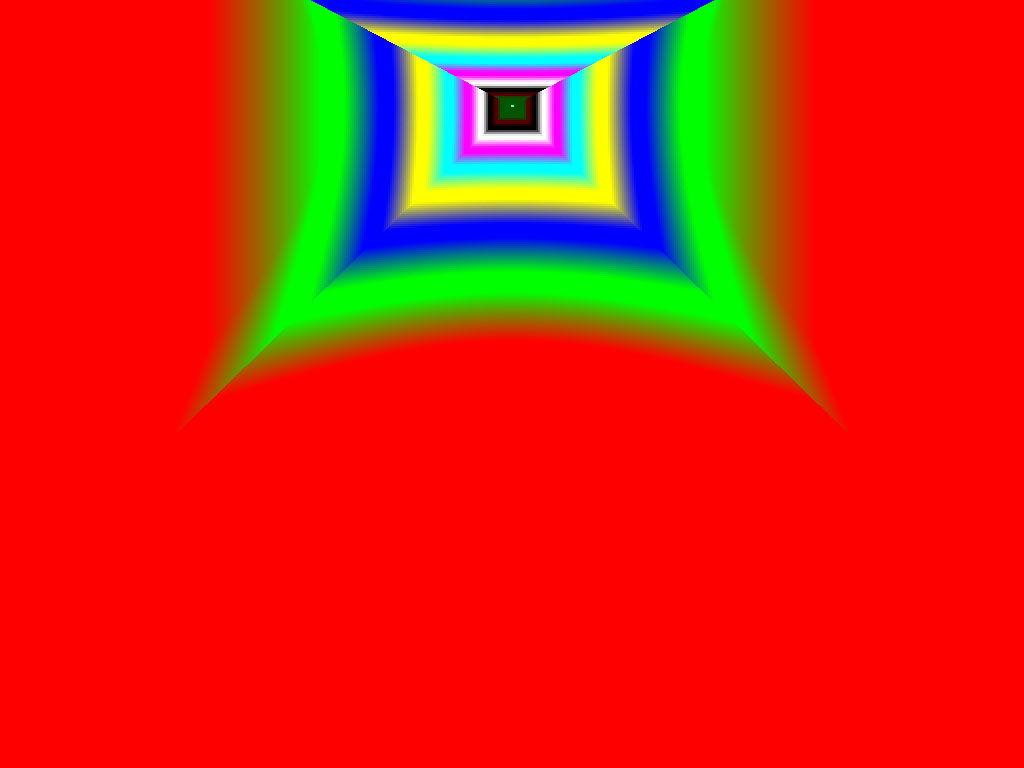
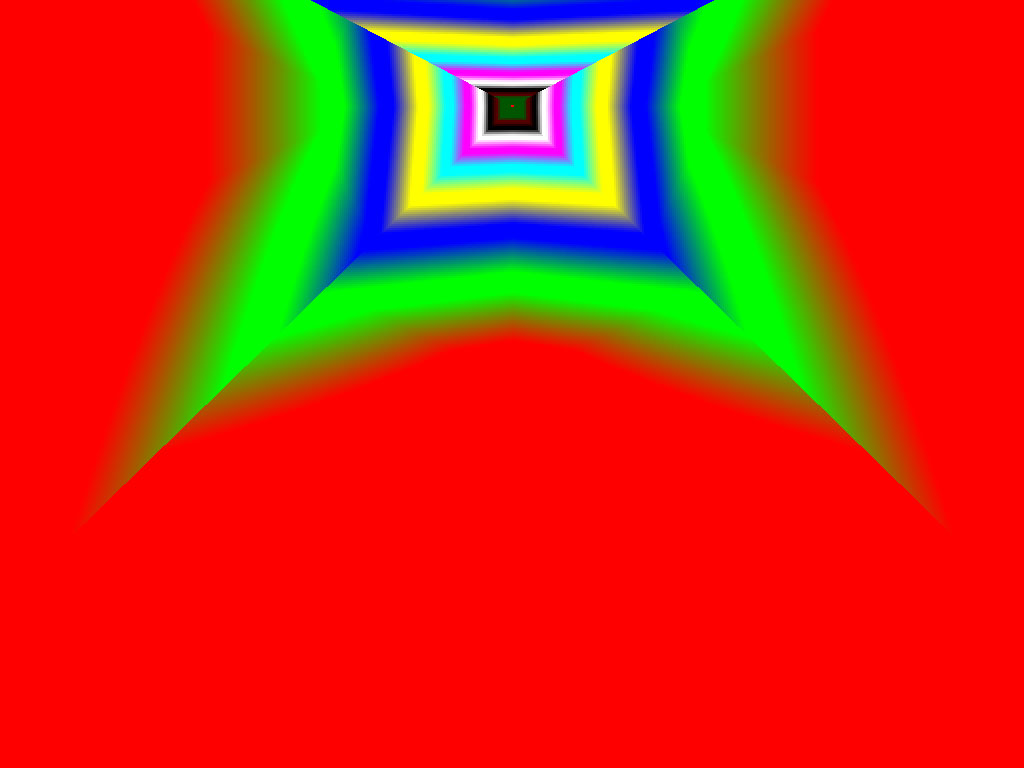
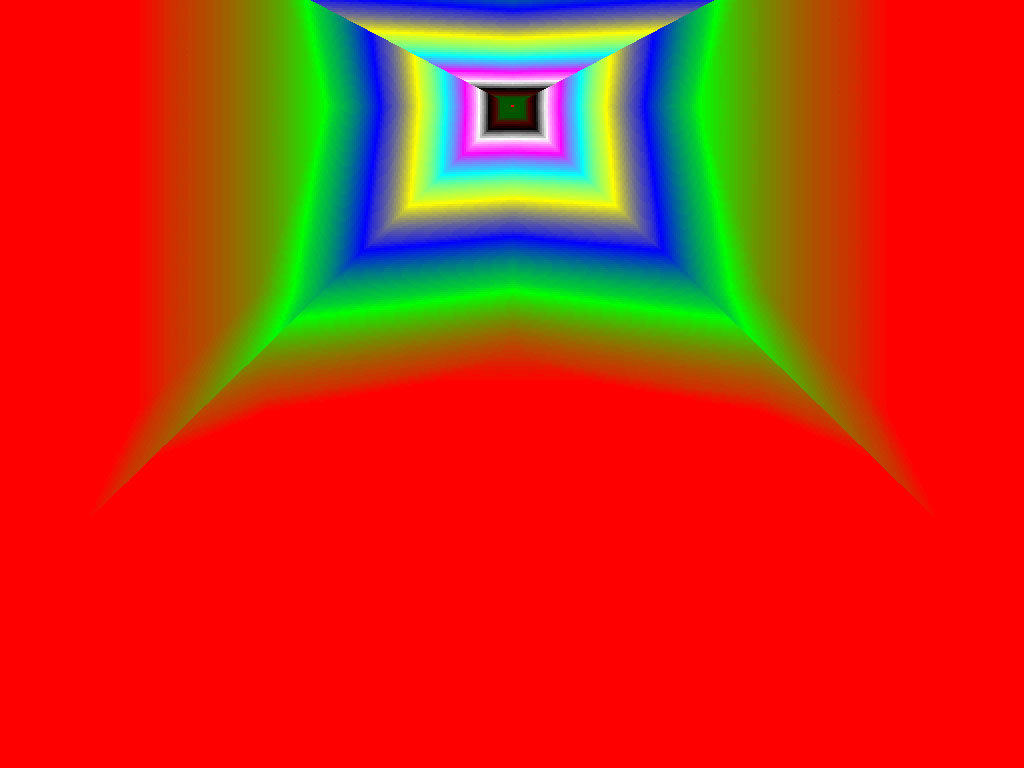
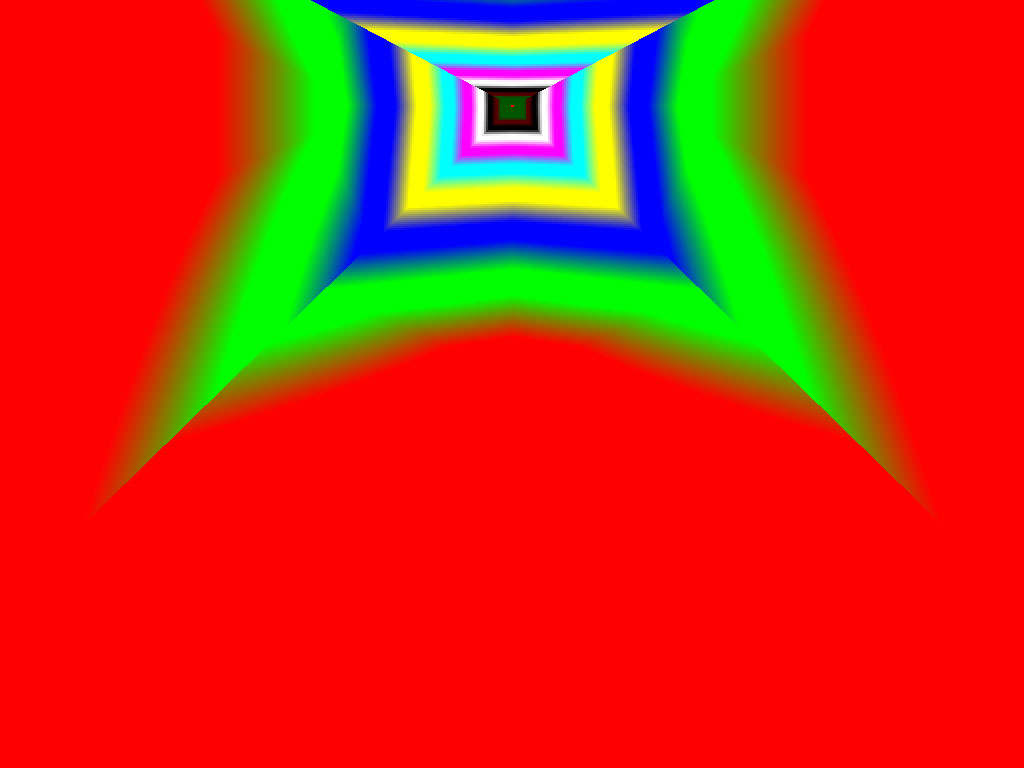
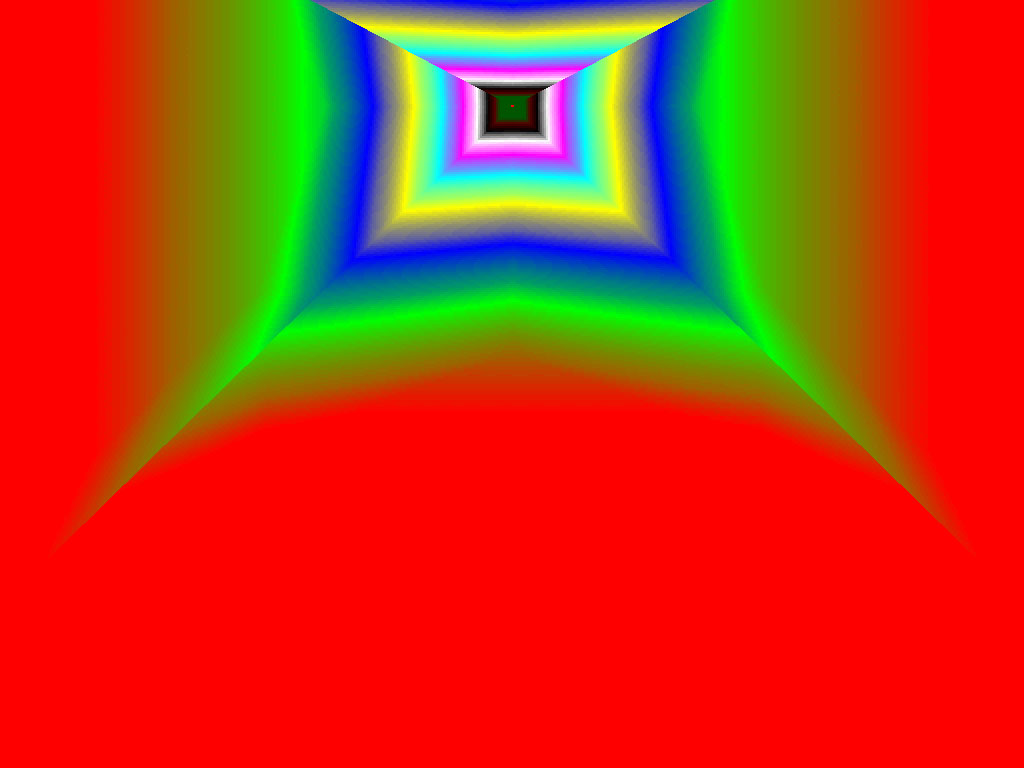
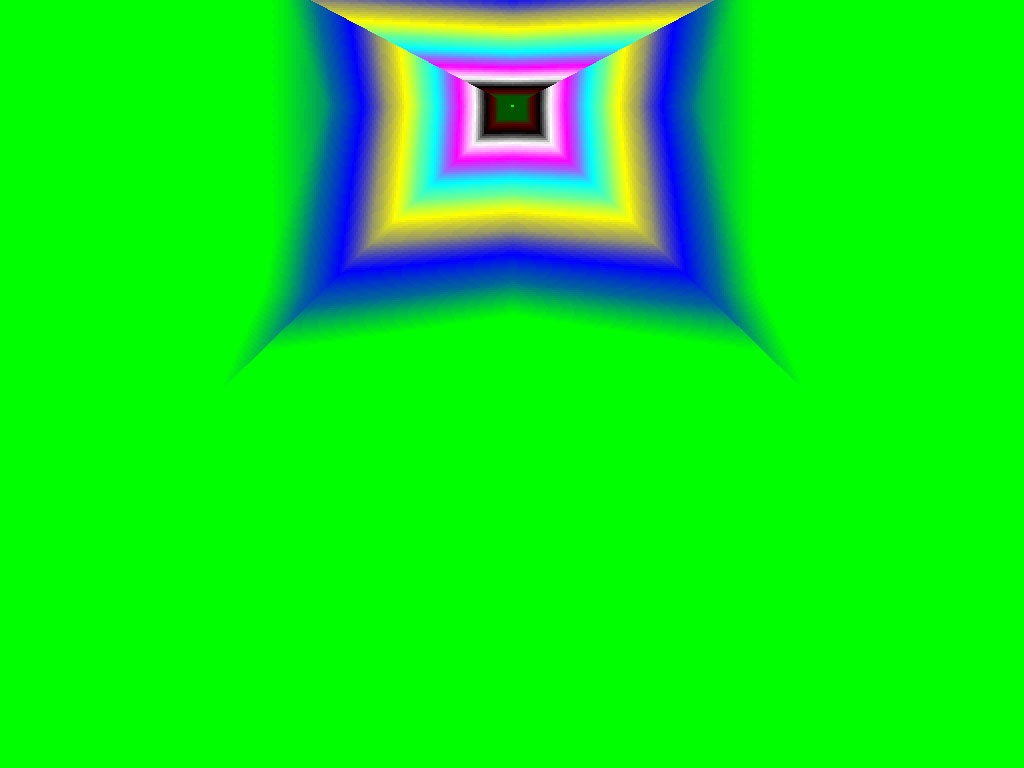
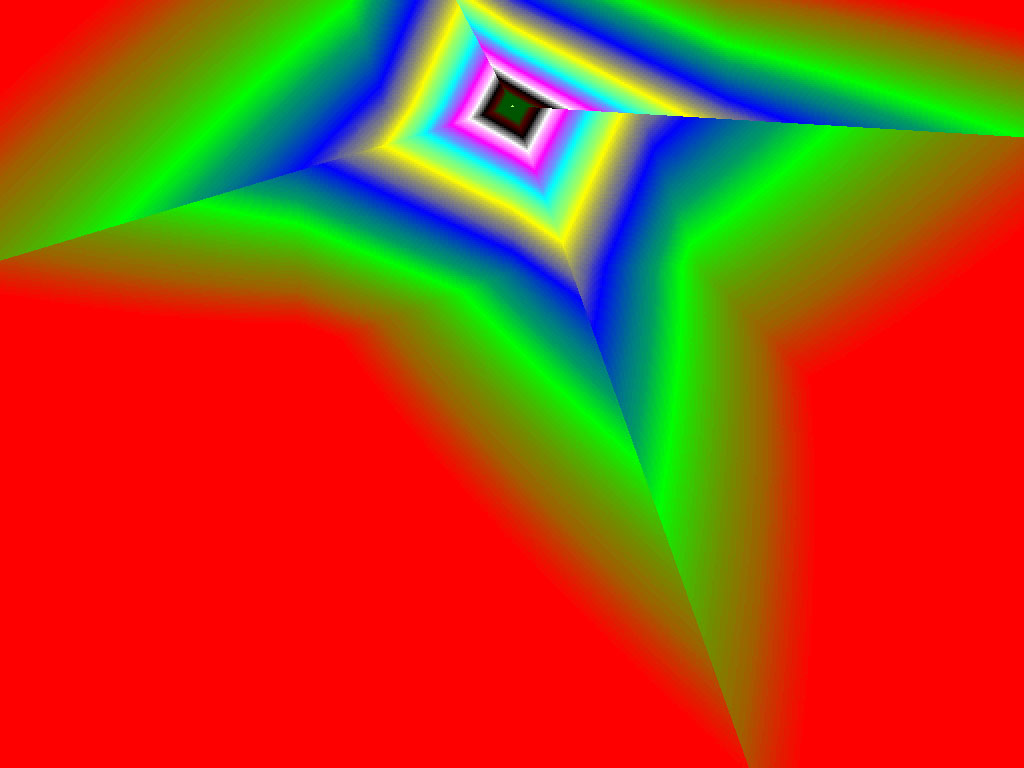
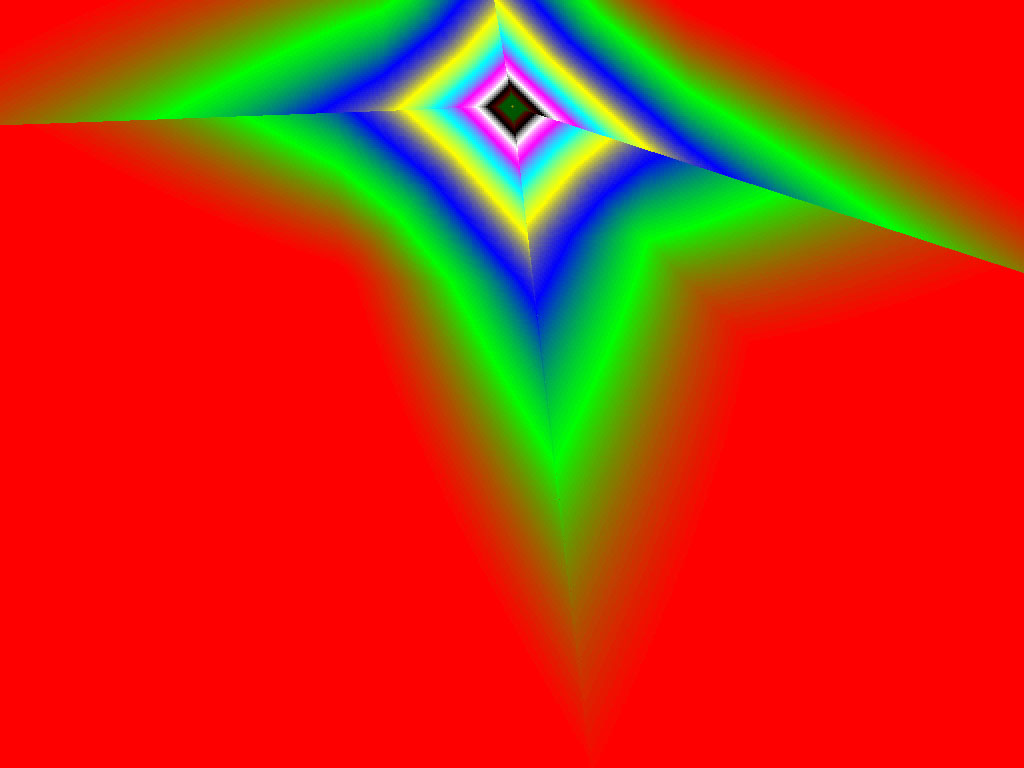
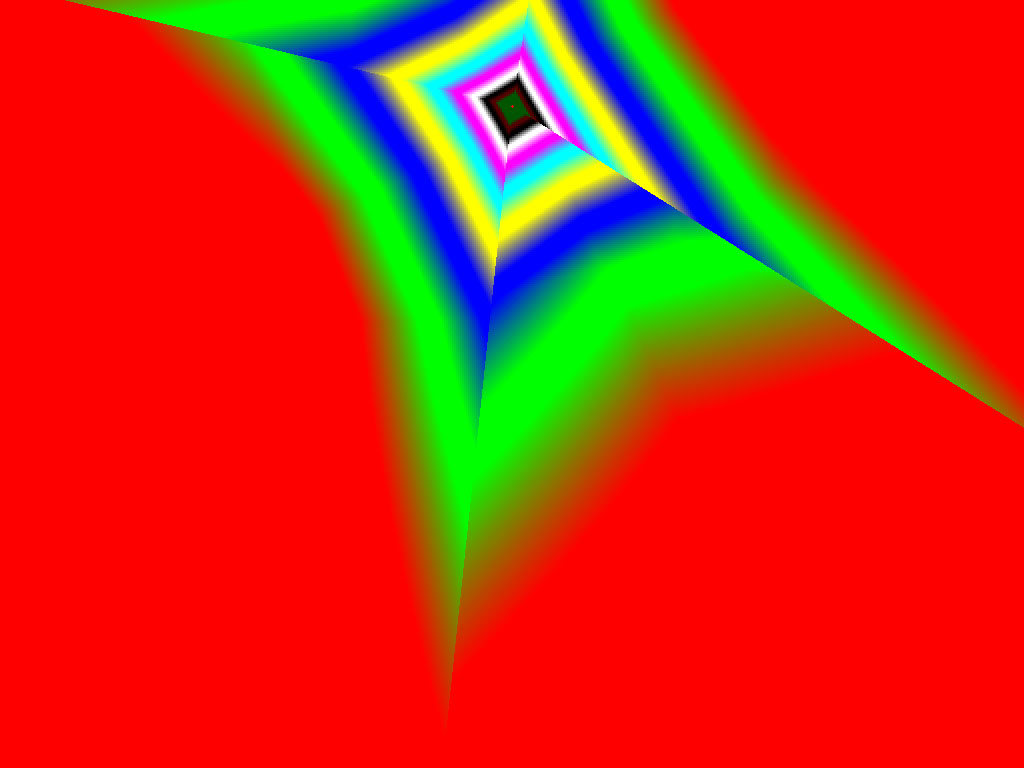
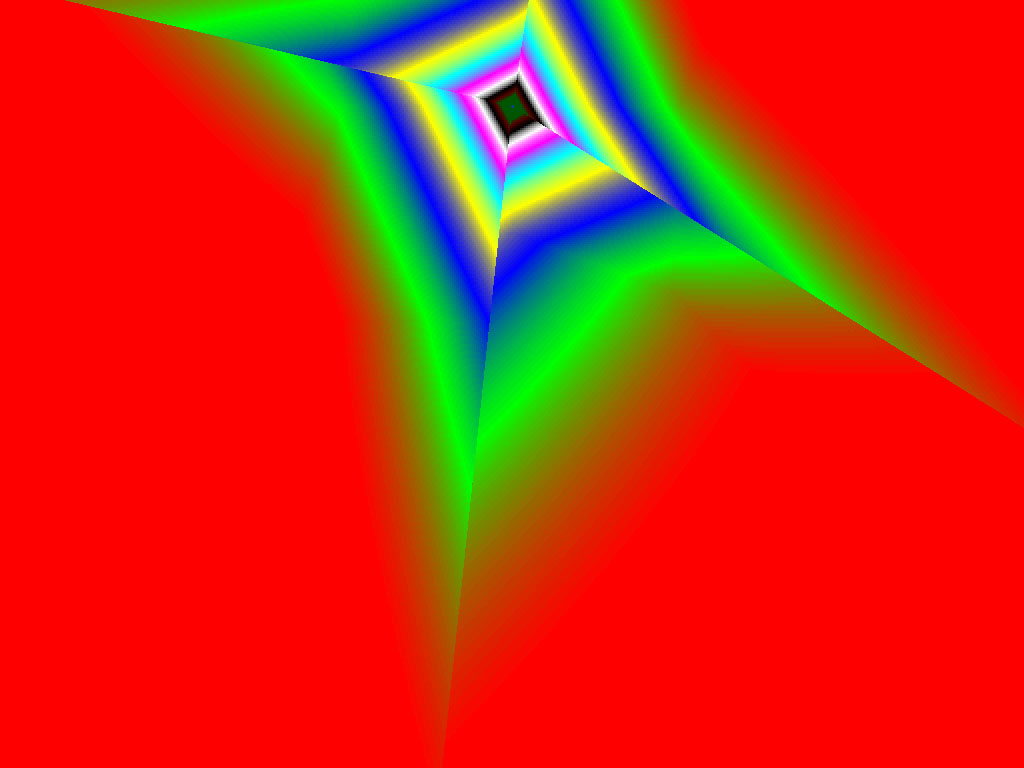
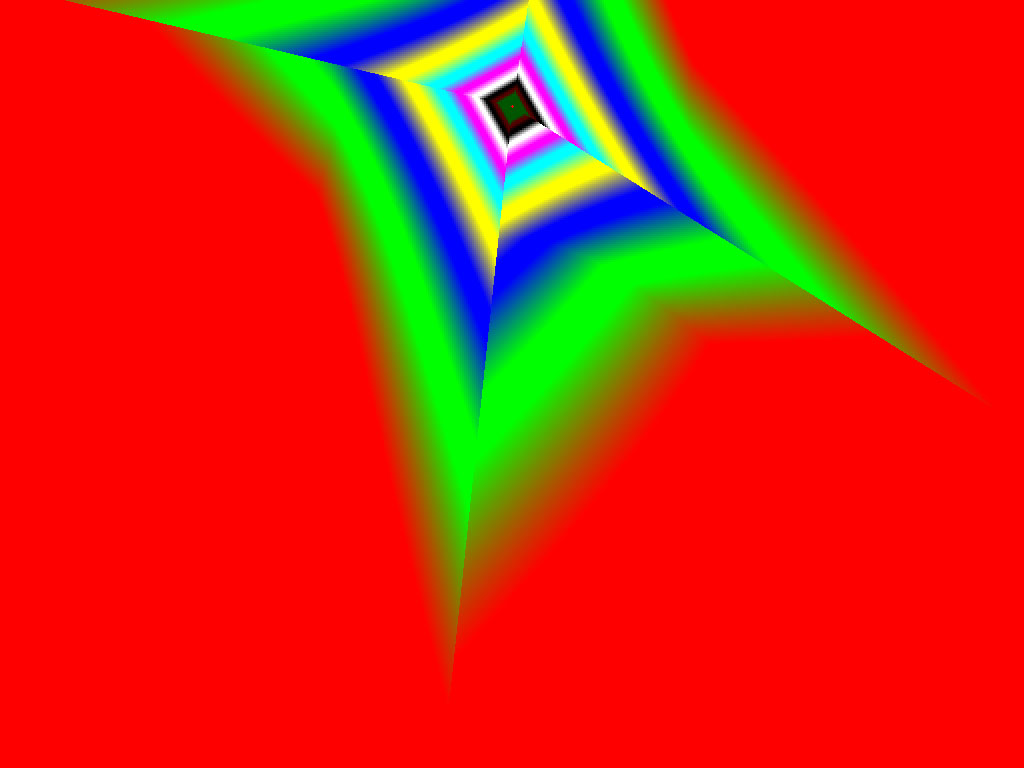
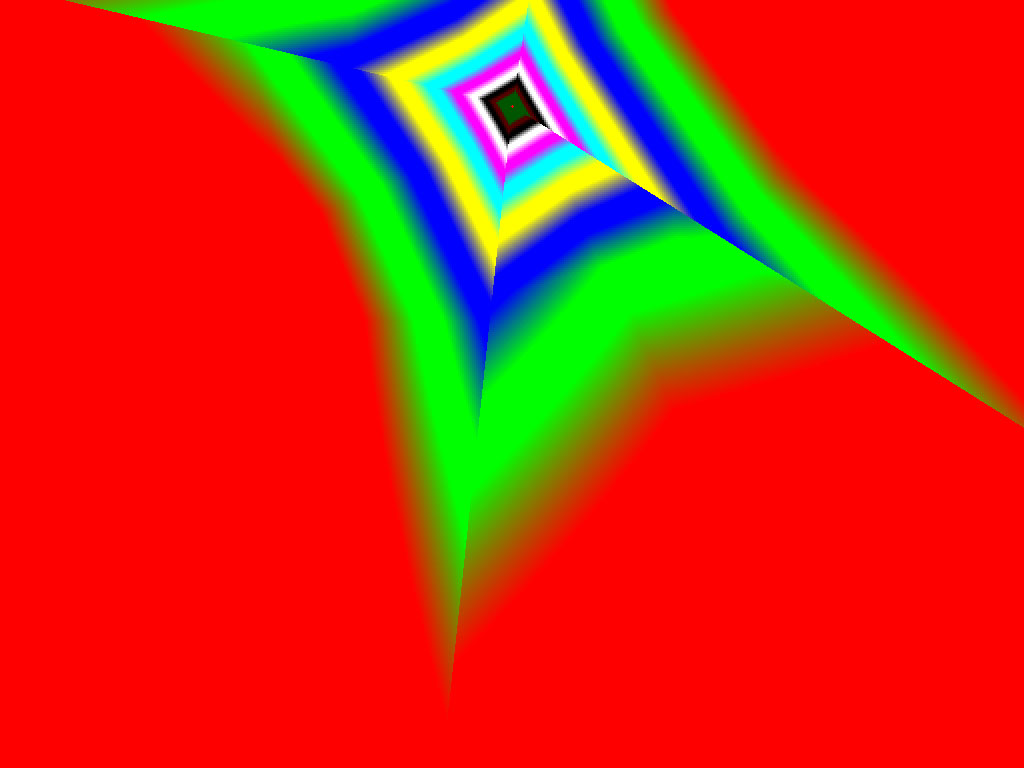
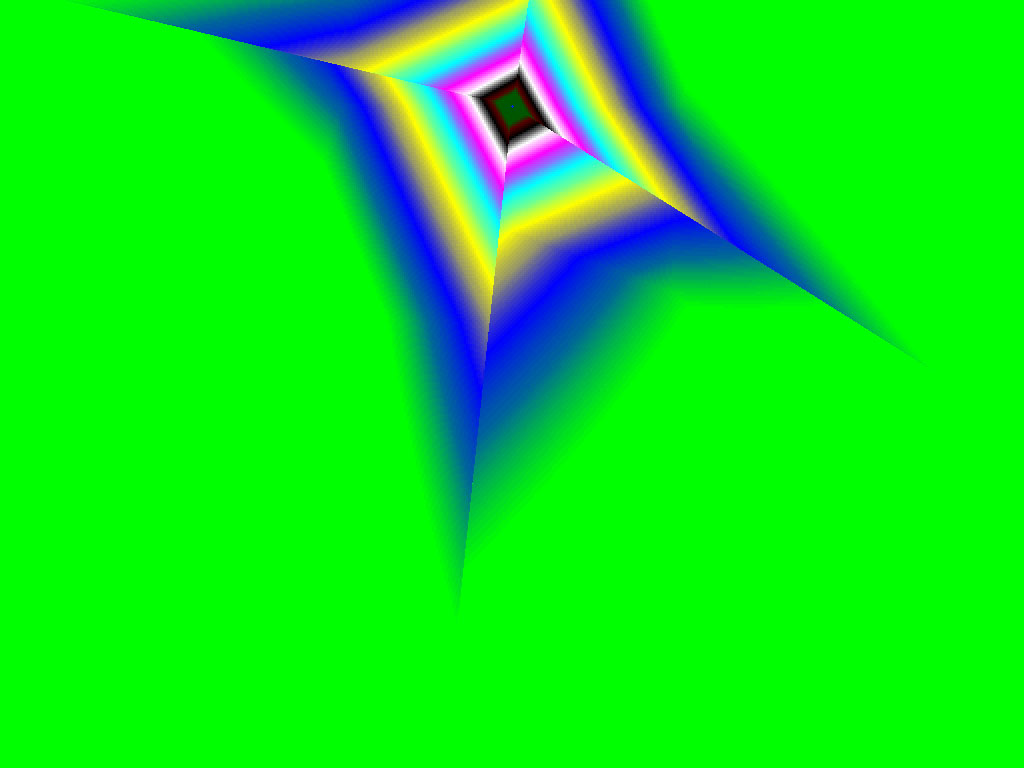
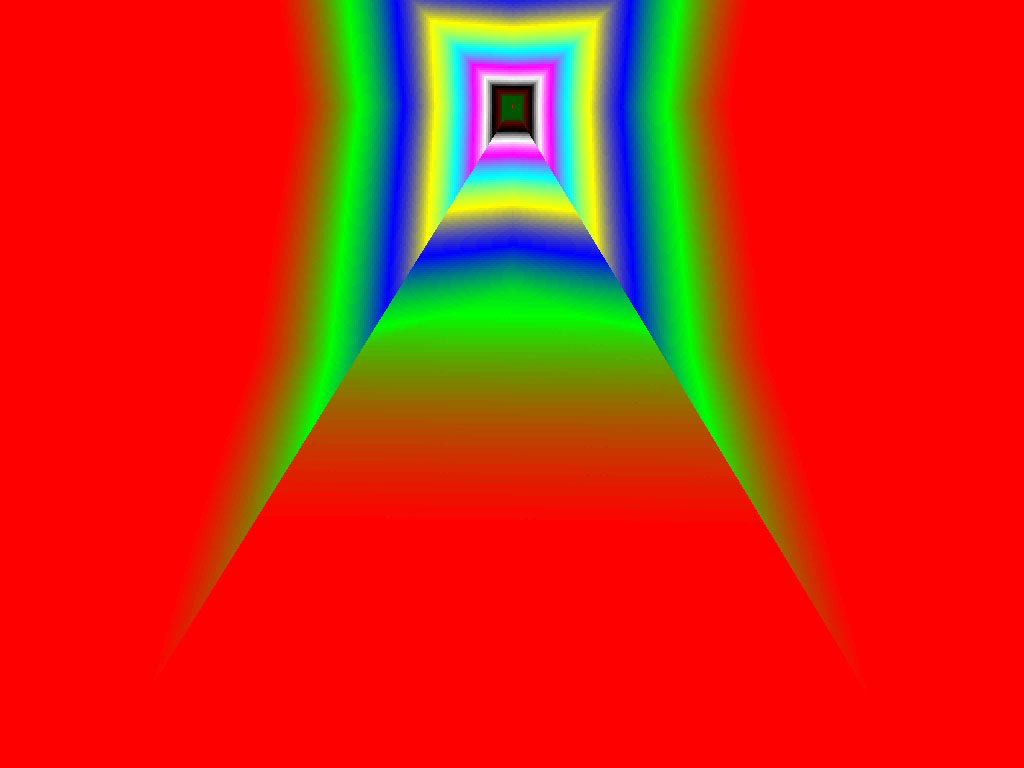
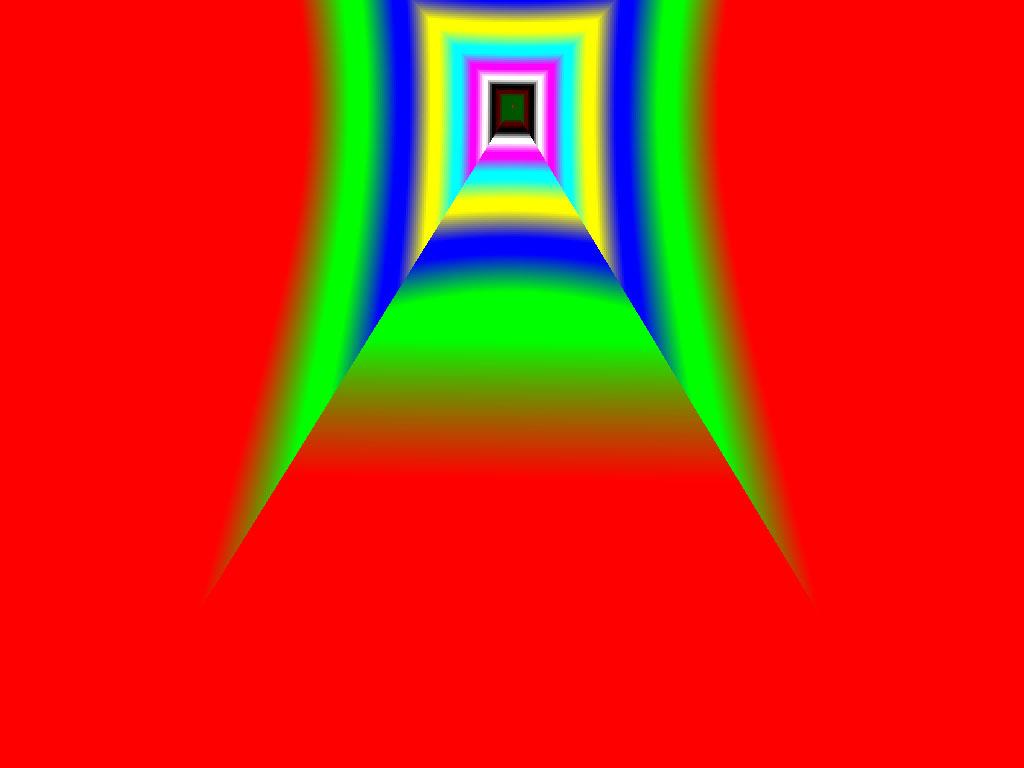
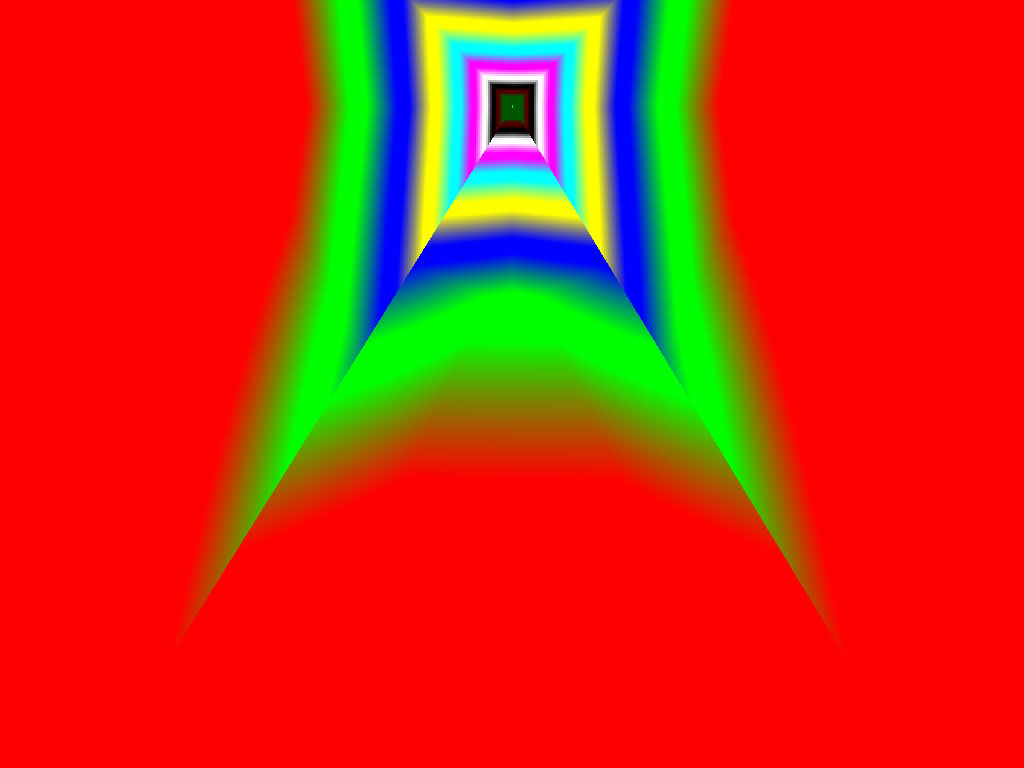
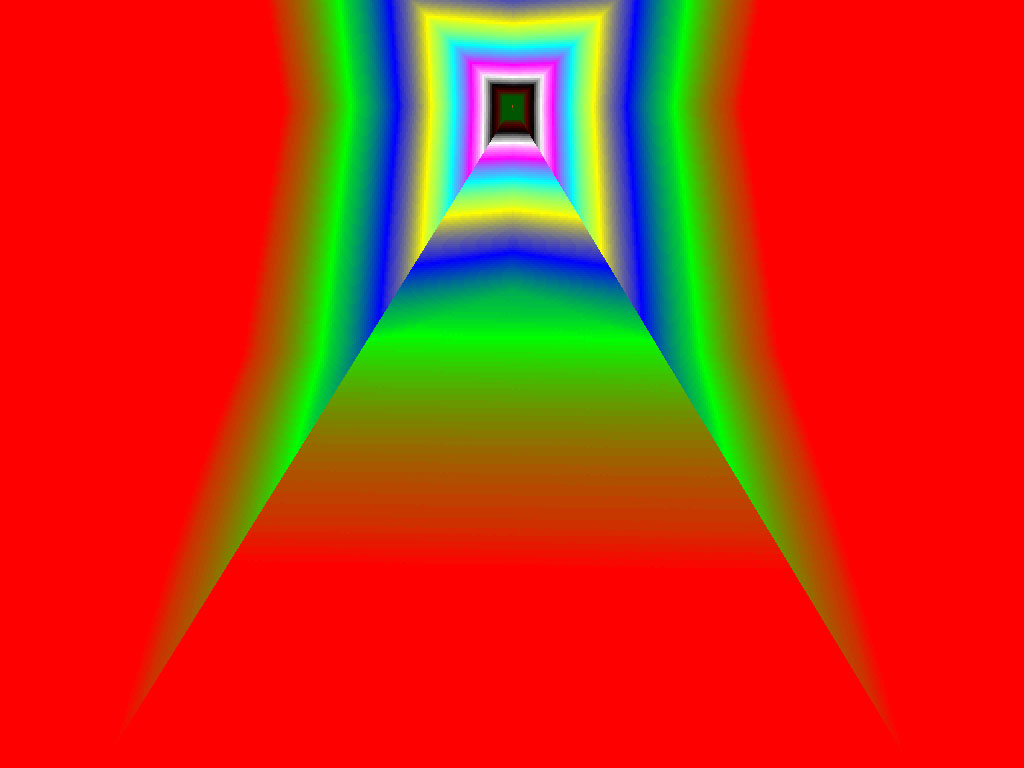
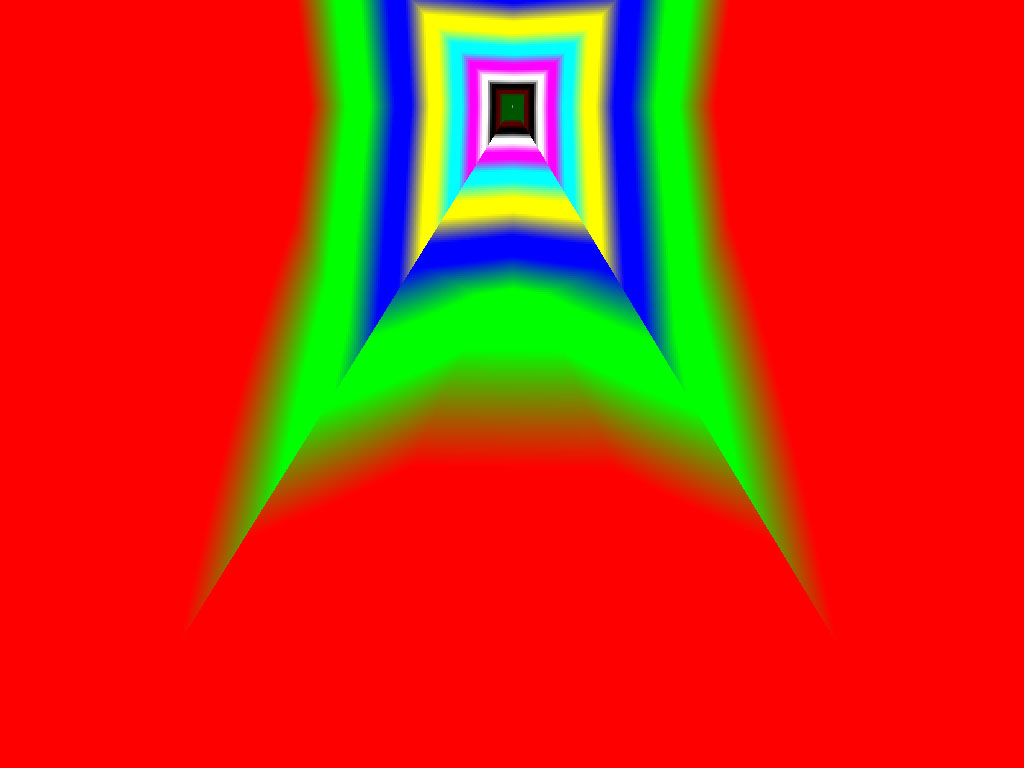
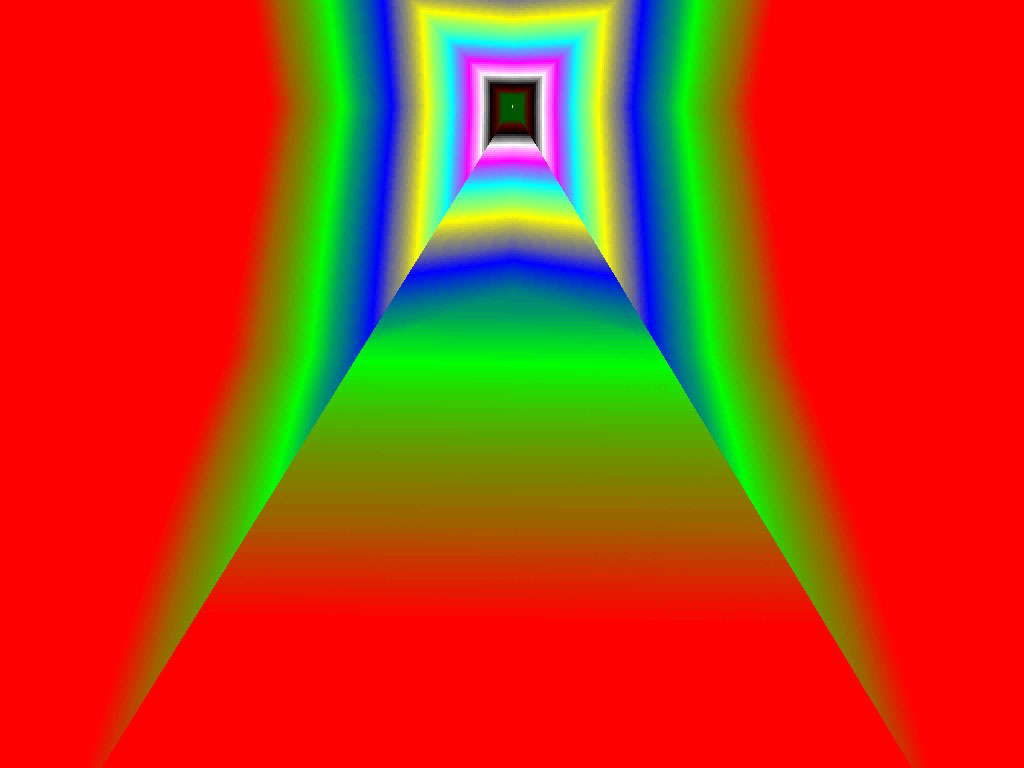
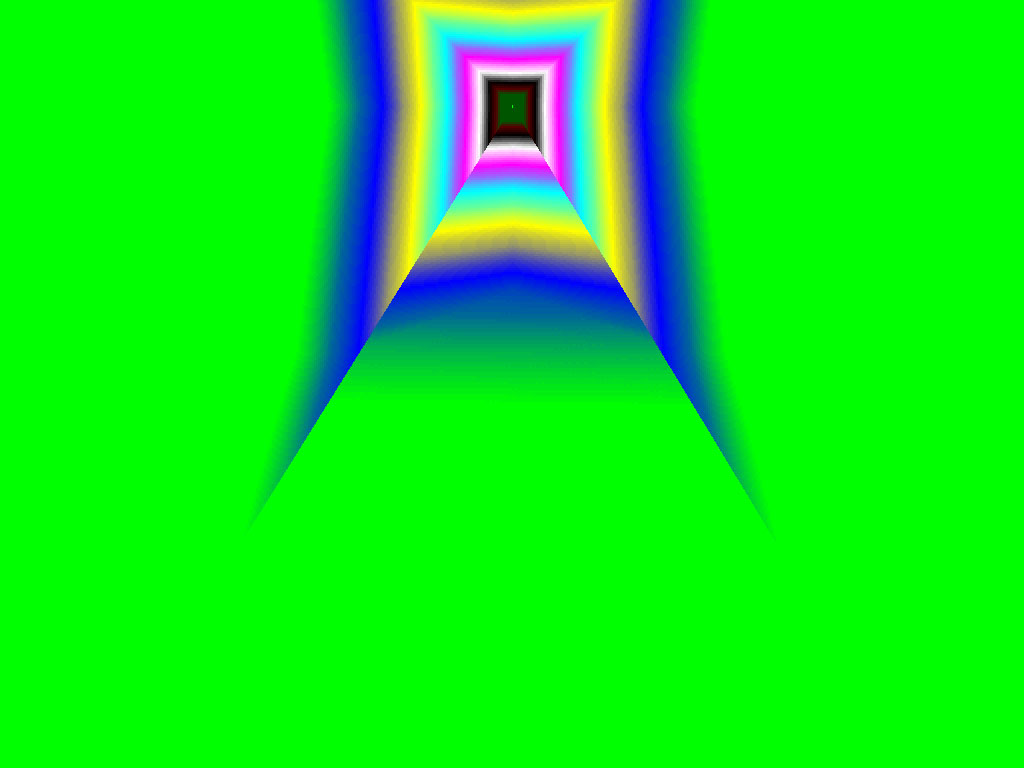
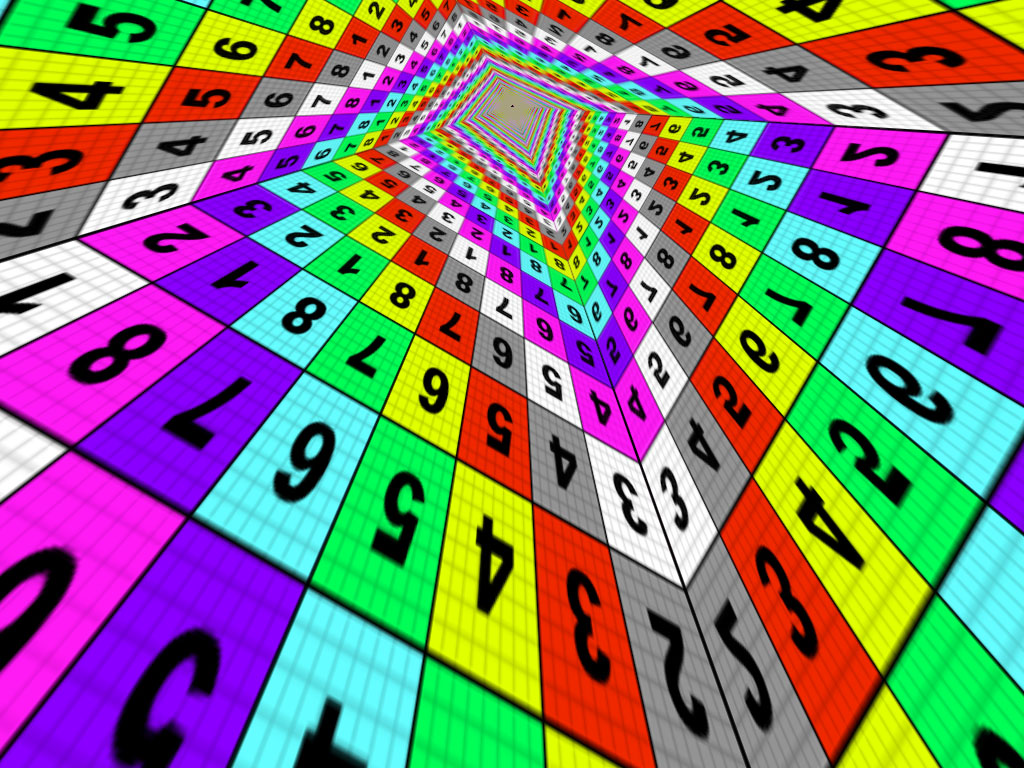
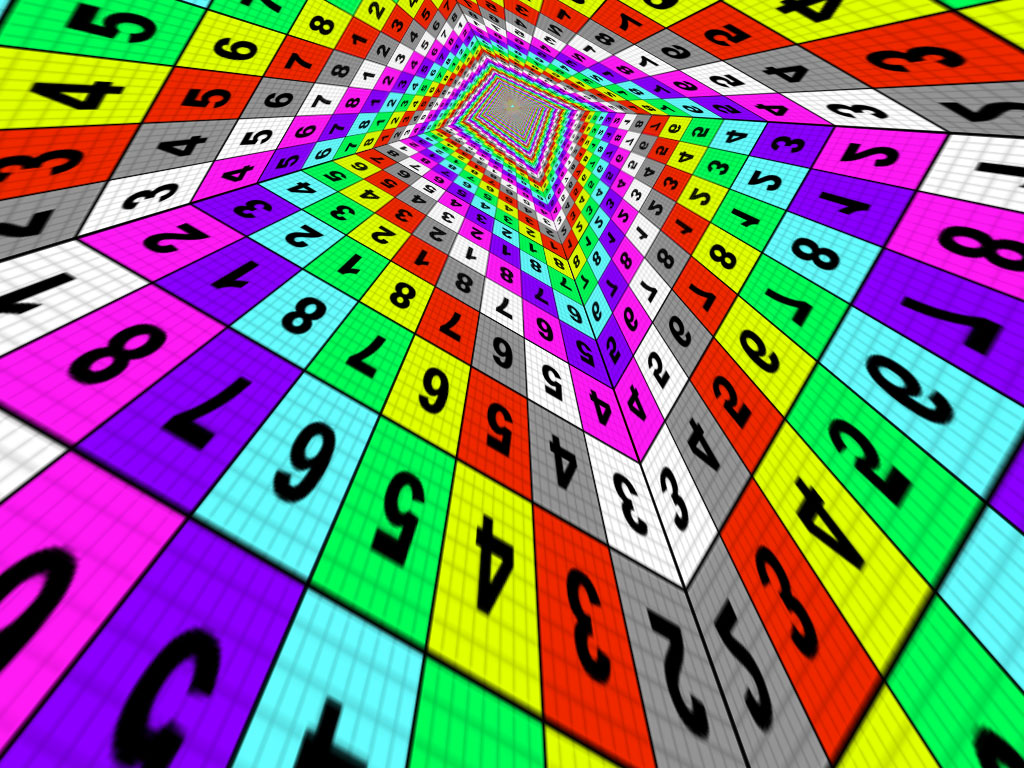
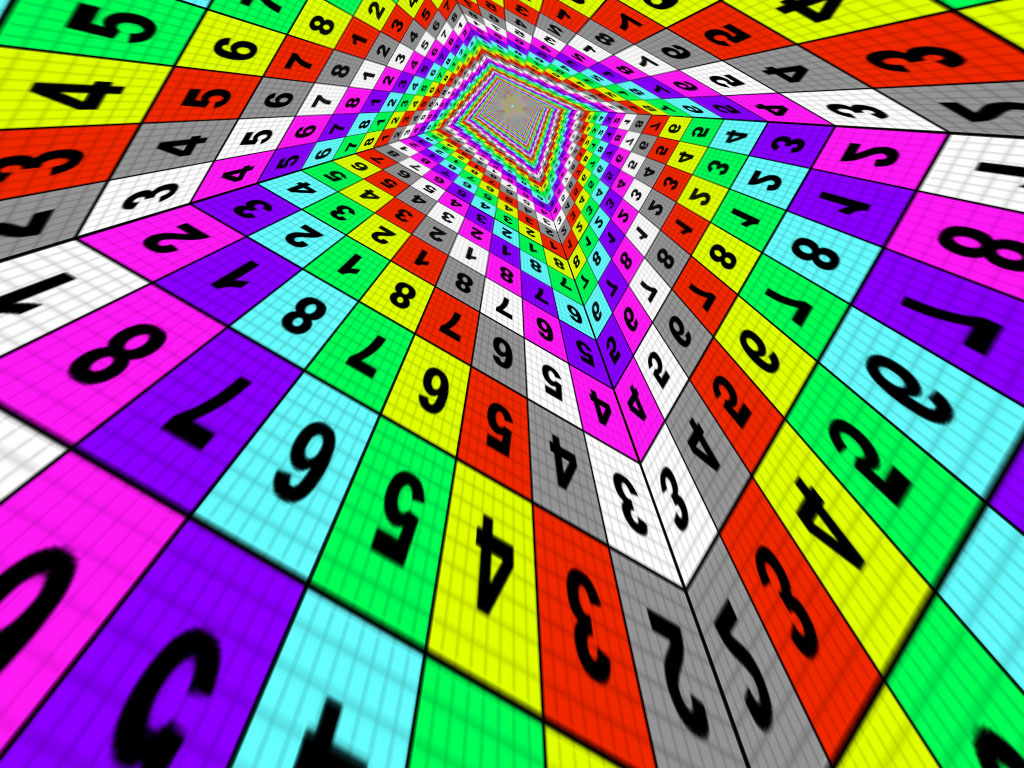
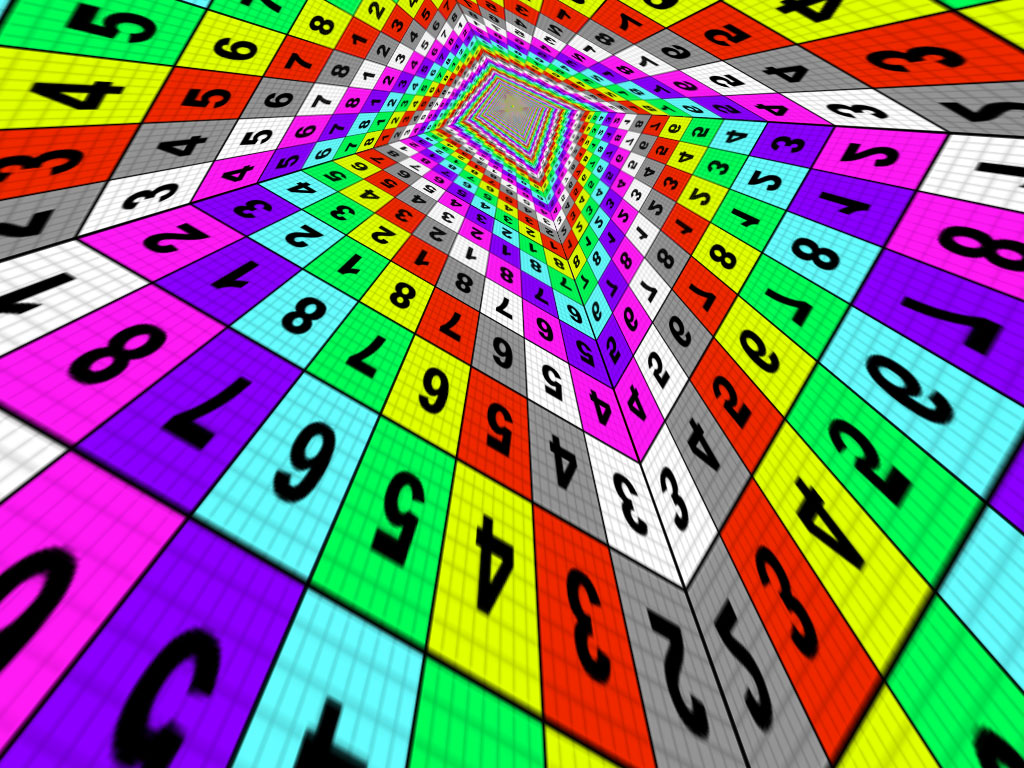
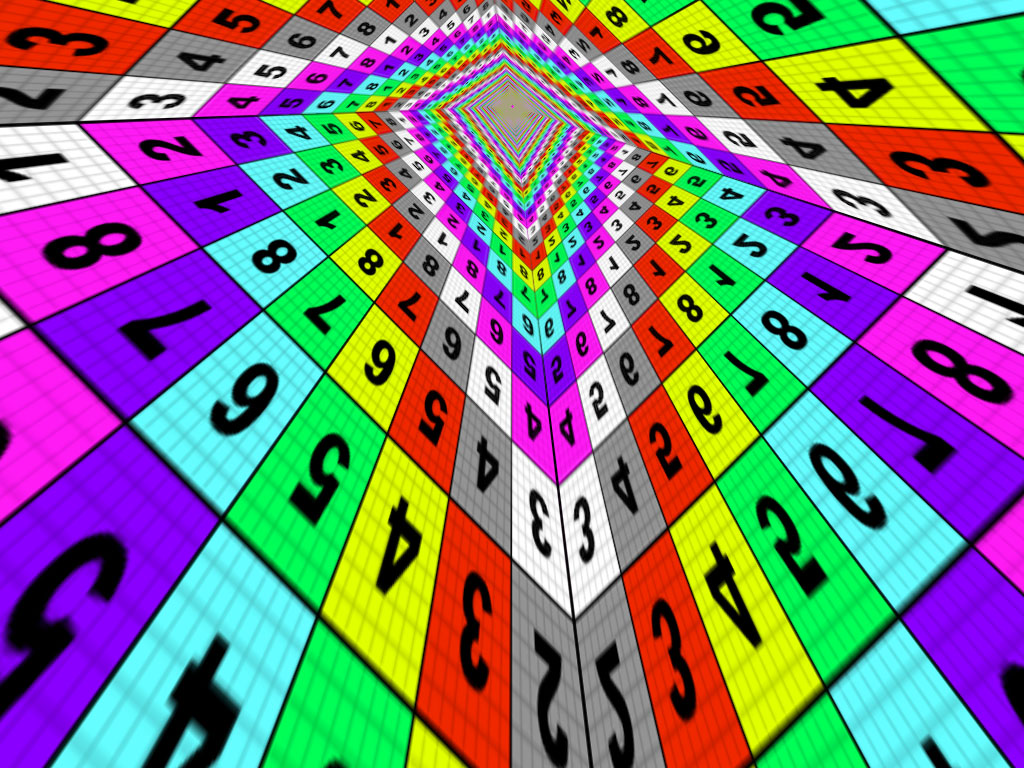
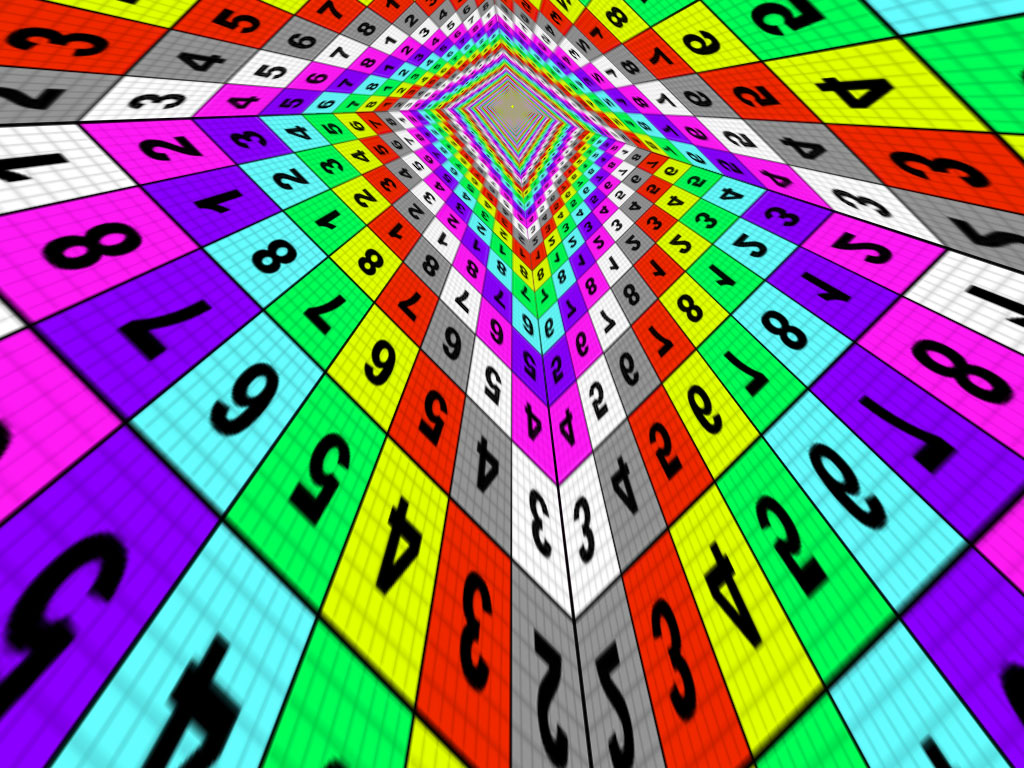
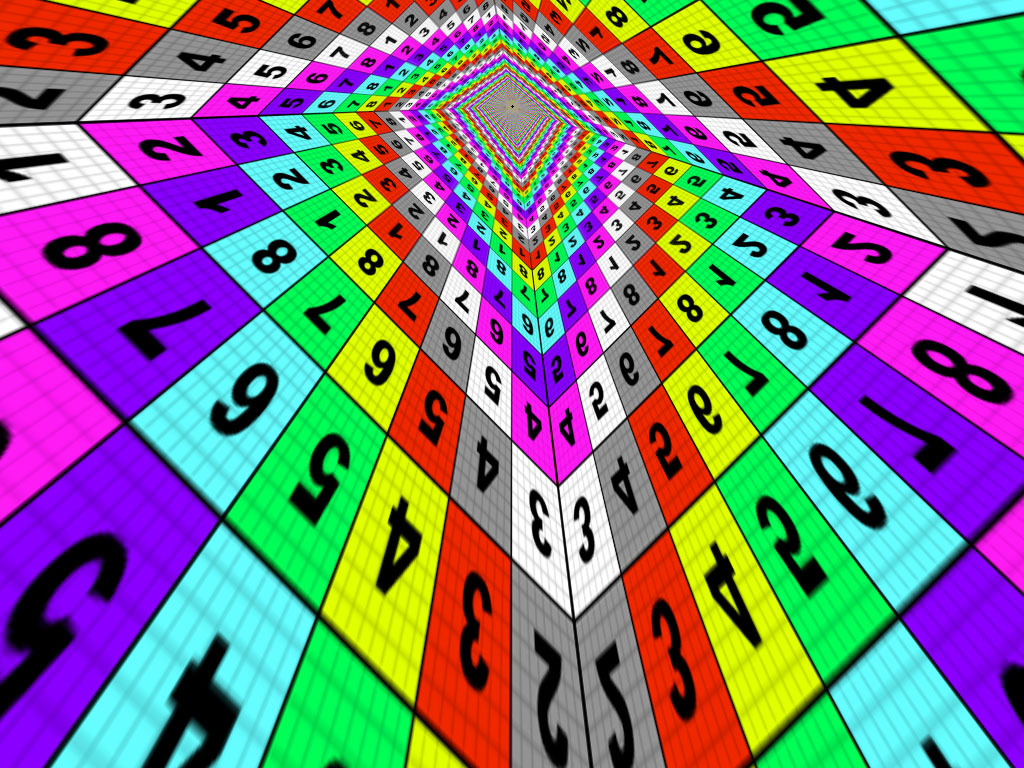
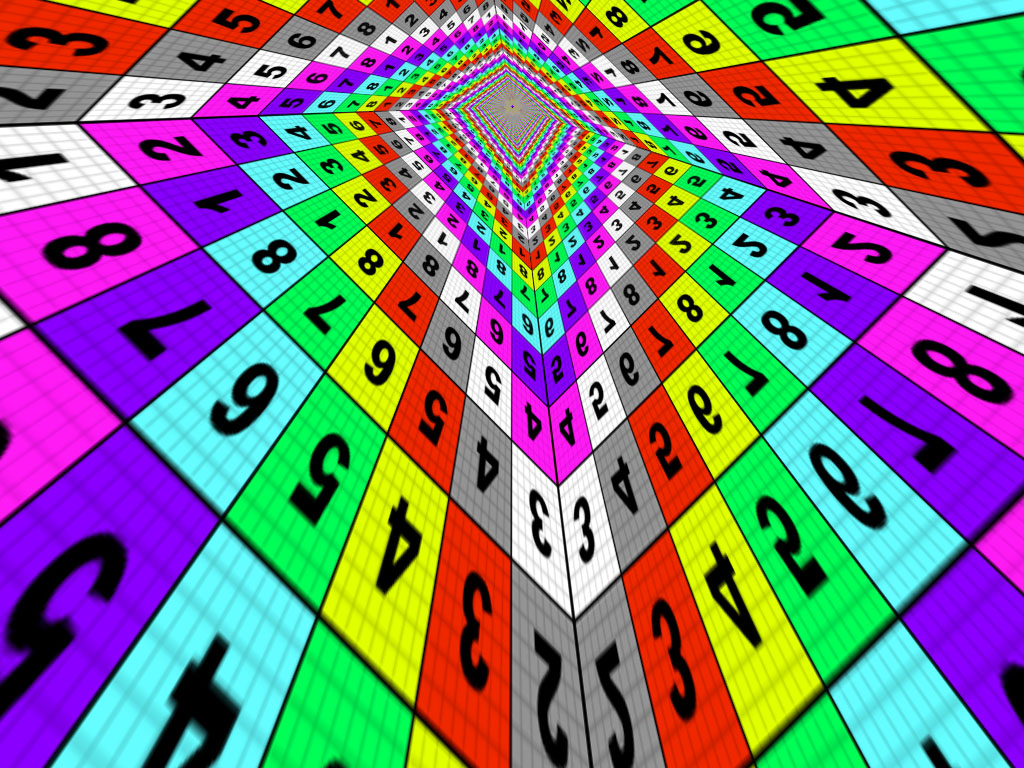
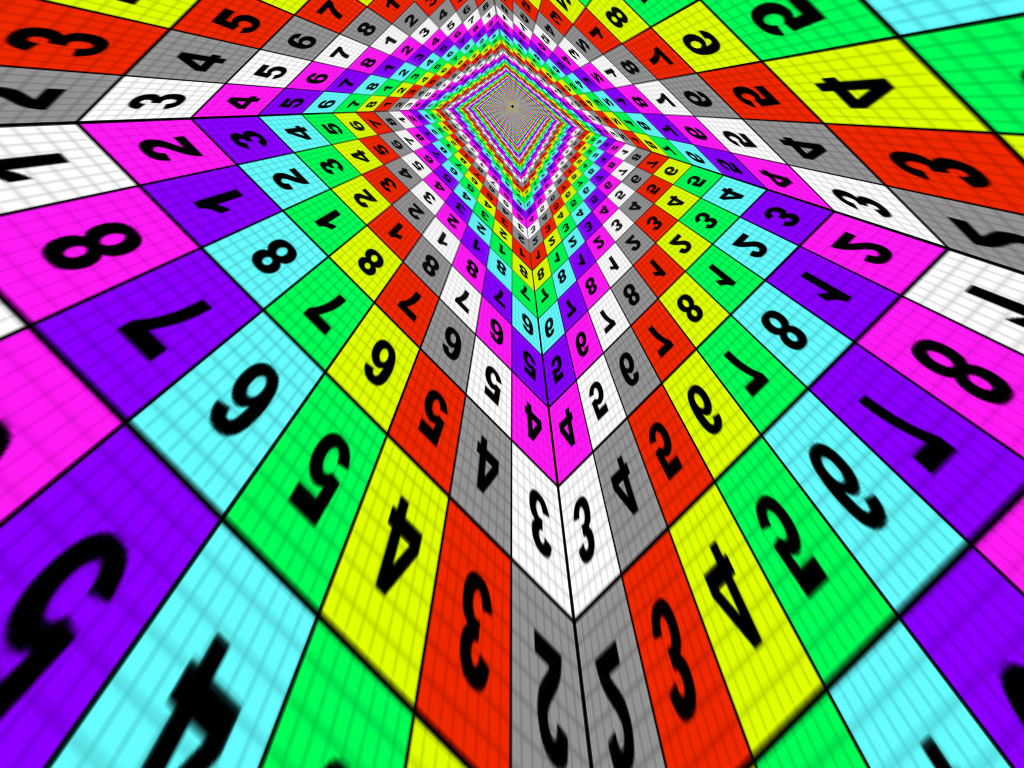
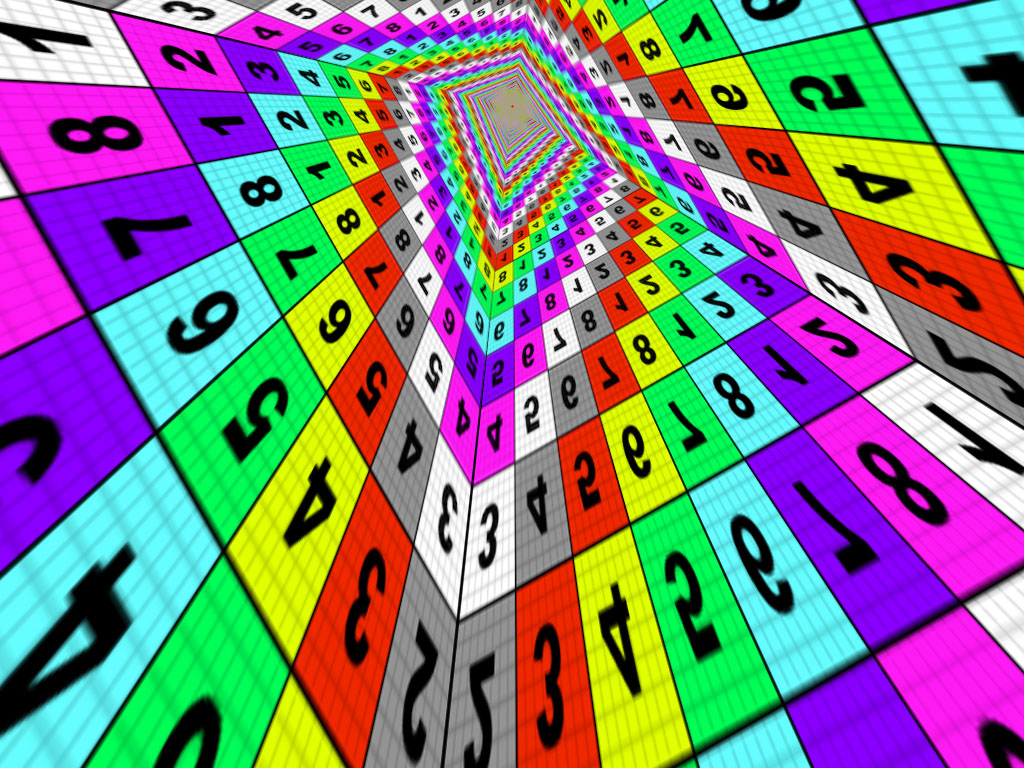
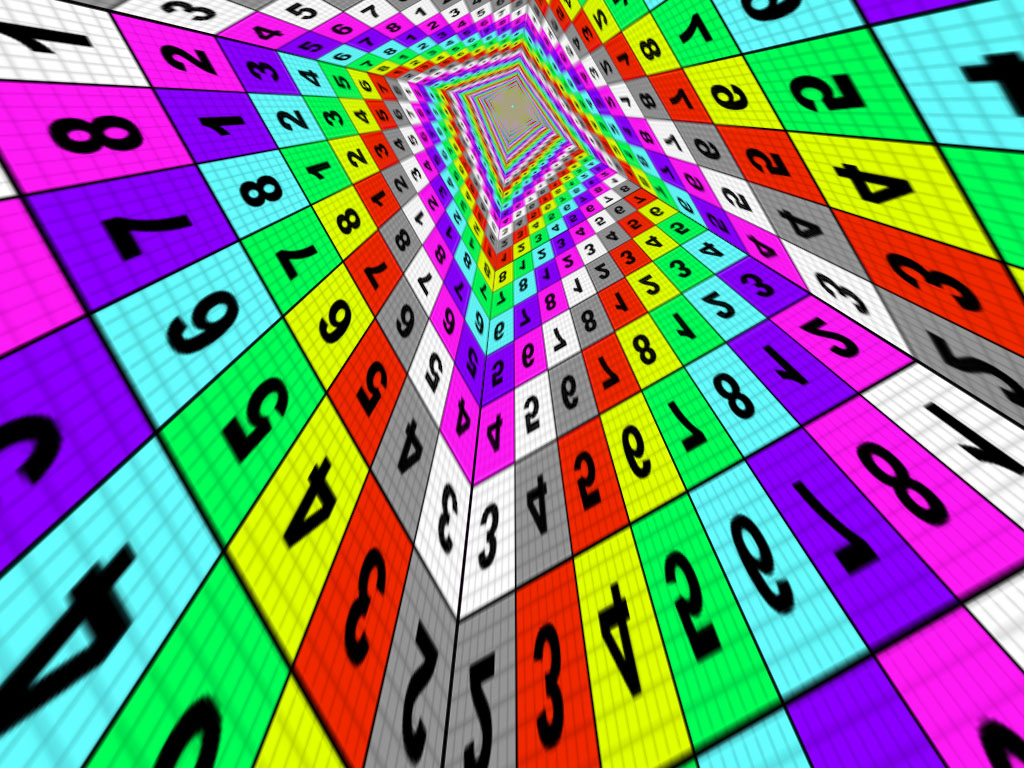
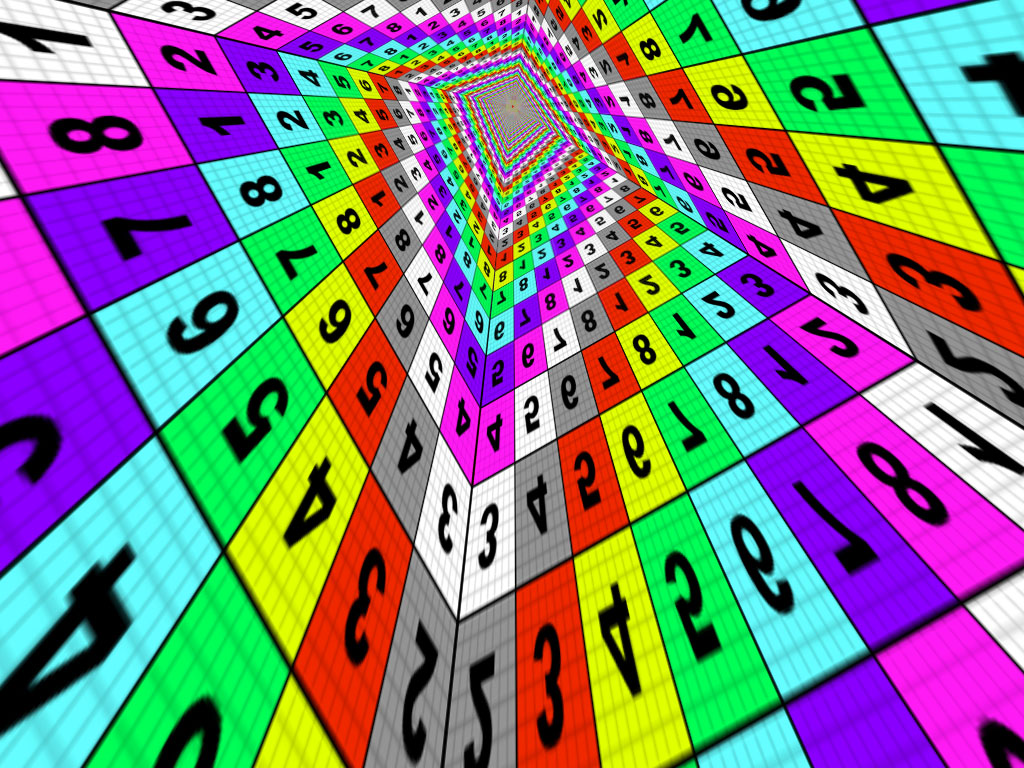
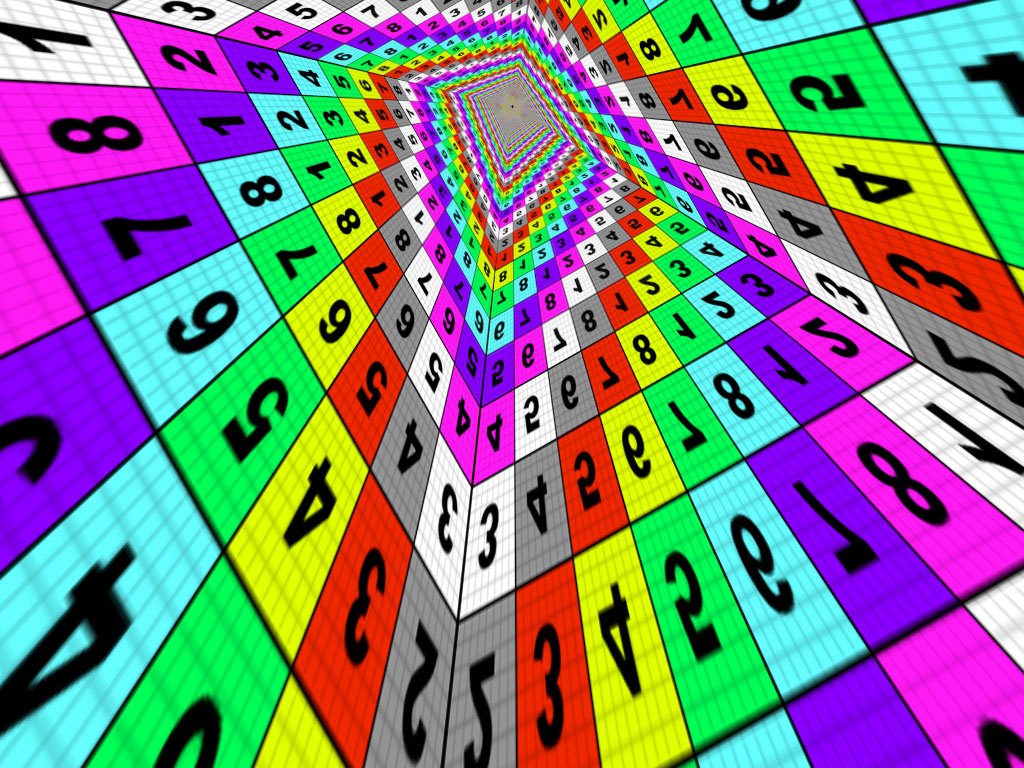
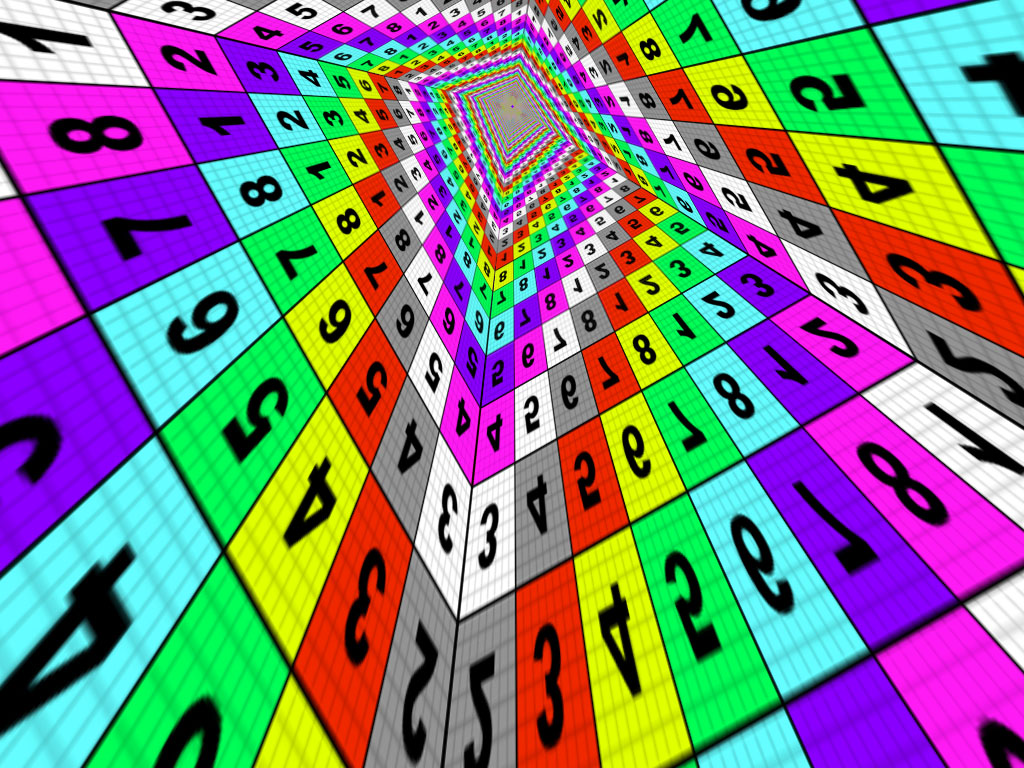
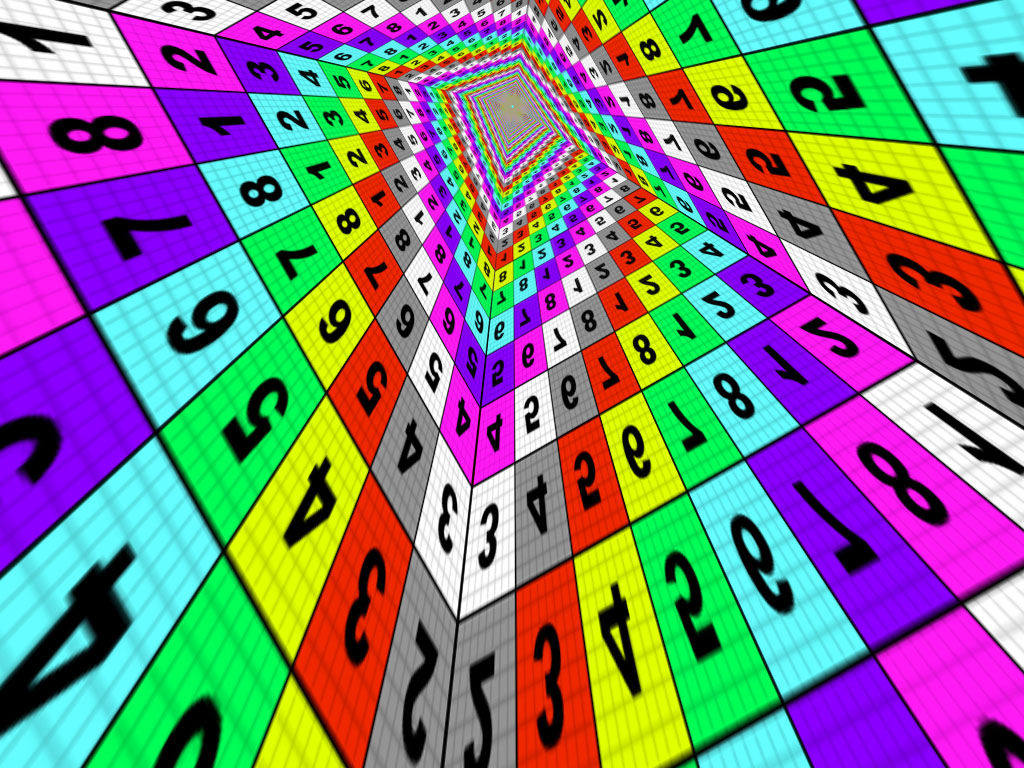
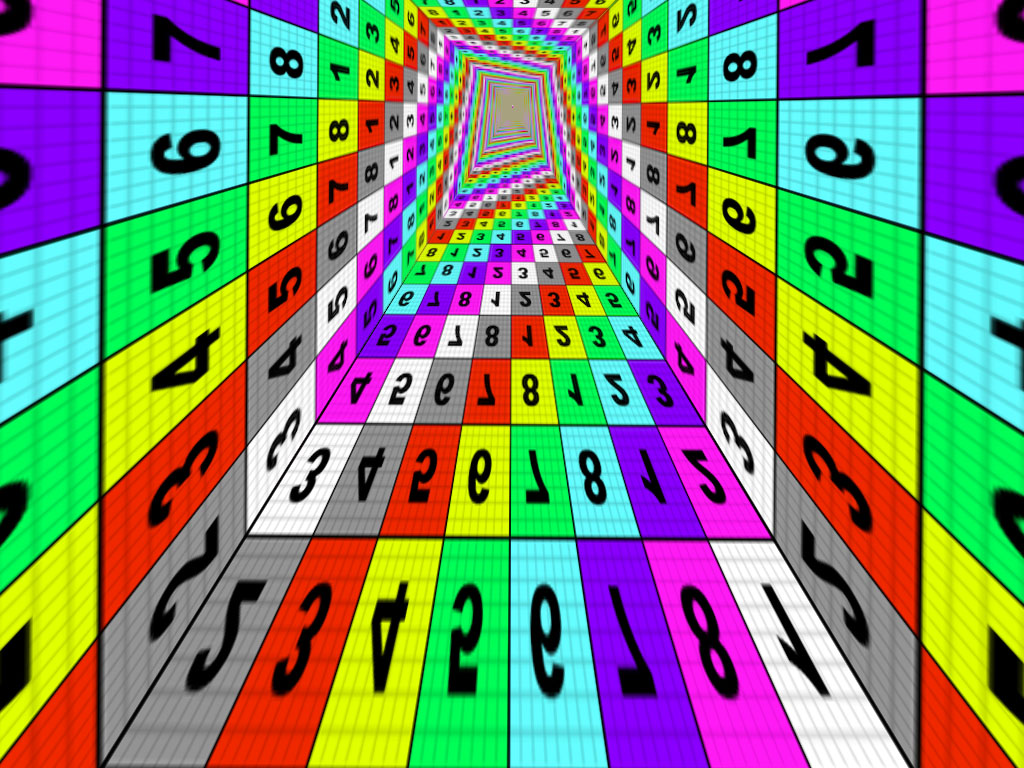
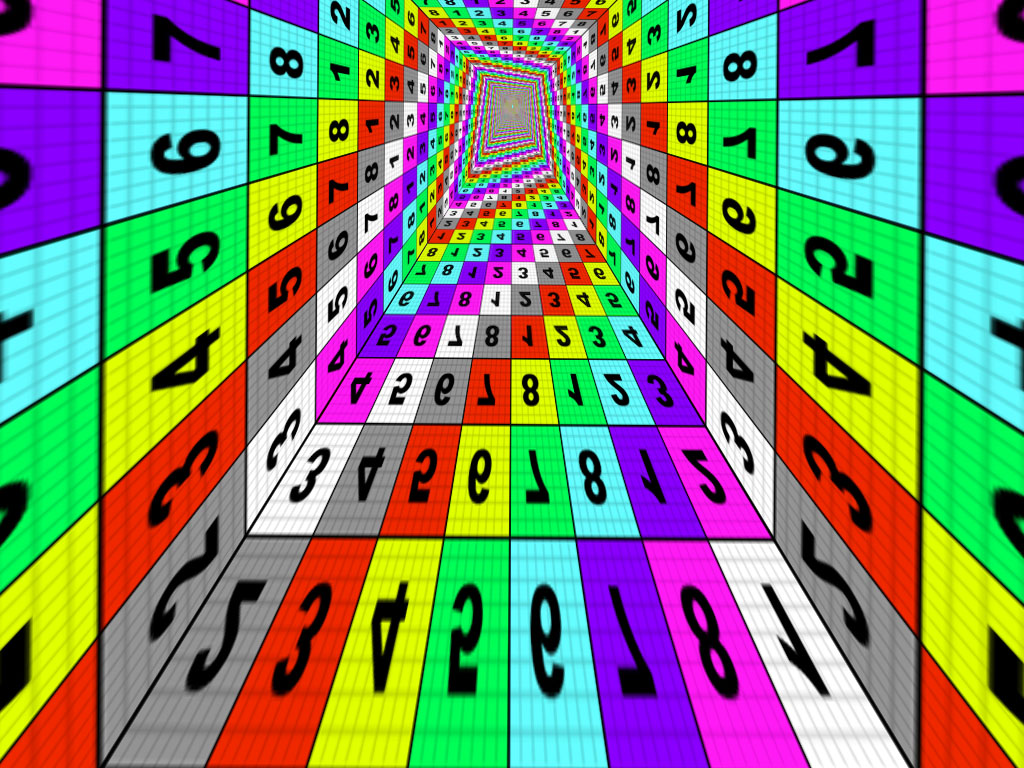
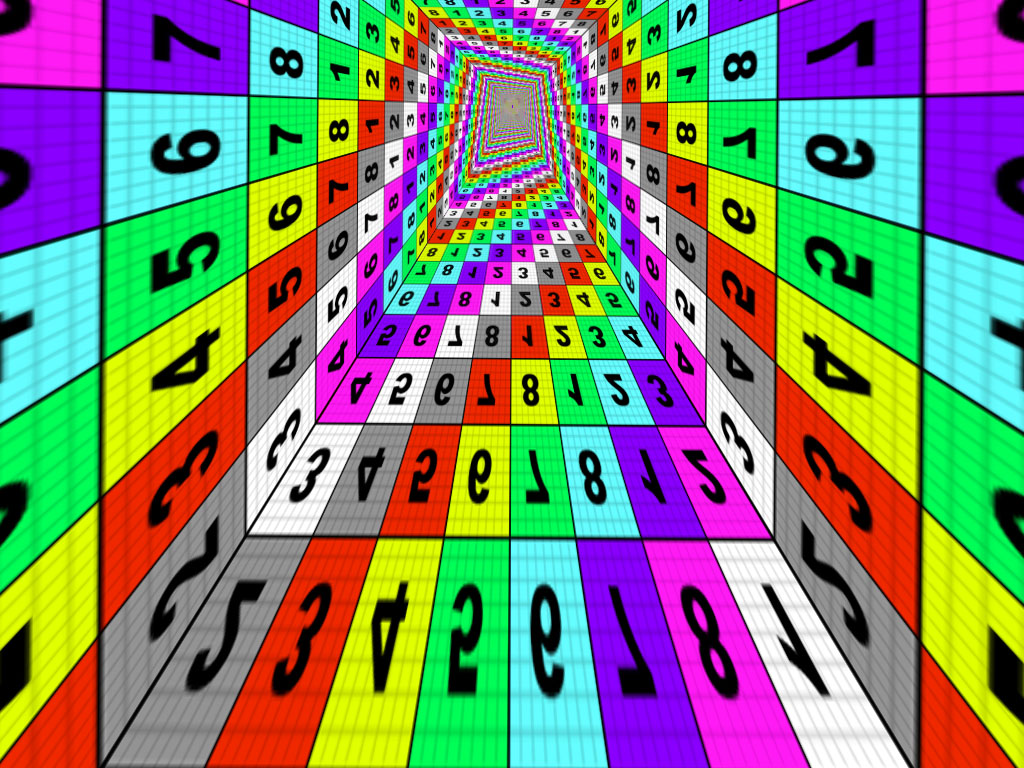
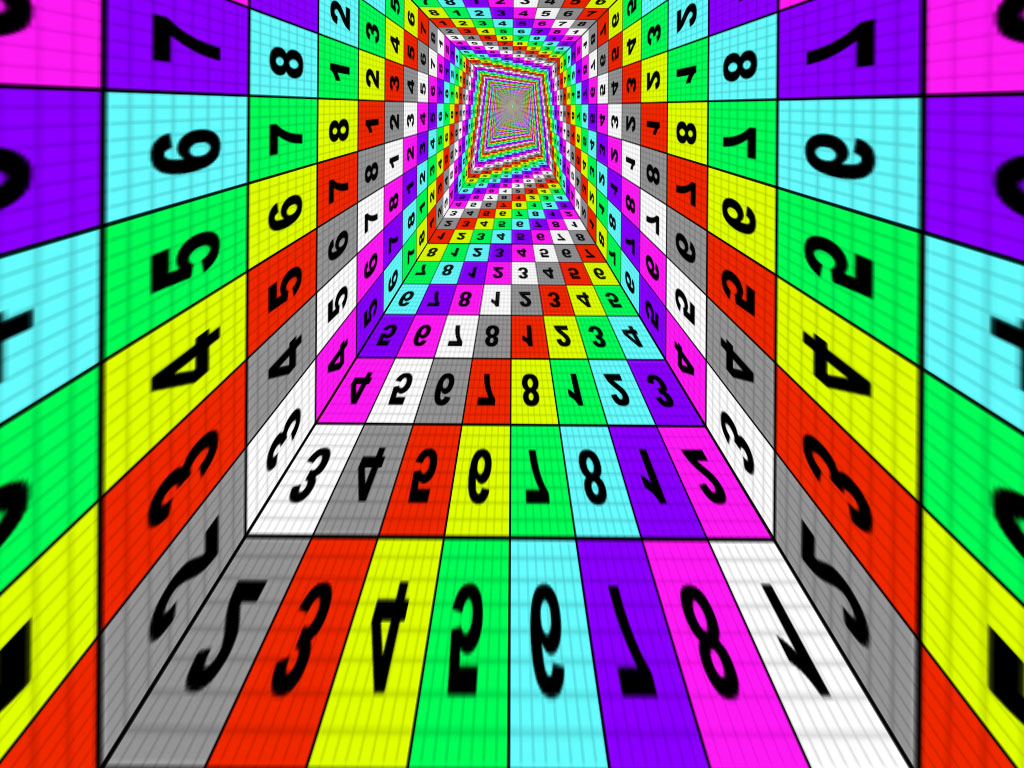
The mip-level selection algorithm is different from that in NV38. Piecewise-linear approximation is now executed with more segments, which is a positive change. But NV38 used a more precise (probably, quadratic) approximation for planes at 0° and 90° (floor and walls) than for other angles. And that makes NV38 a bit superior than NV40 concerning this important and widespread case. In other cases, however, NV40 ensures a much better approximation of an ideal curve. Besides, the zones for real execution of trilinear filtering became more extended. NV38 had more aggressive settings, which was probably caused by its lag from R3XX in various tests. However, after the release of R420, new drivers may appear with more aggressive NV40 settings too - settings that will be speed-oriented, not quality-oriented. And concerning R360, it has fewer lines that approximate the curve isoline of distance to the viewer, but more extended zones for trilinear filtering. Is it good or bad? Well, screenshots of real game applications can show, but it's an obvious fact that there is a difference. The anisotropic algorithm has changed. It's difficult to tell the extent of the changes, but the algorithm has definitely become closer to ATI. Some critical angles are marked by a higher blurring, some give the opposite impression that NV40 ensures a sharper picture than NV38, and that makes its behaviour similar to R360, though there is a difference between them in specific moments. The fact that anisotropic filterings are different in NV38 and NV40 may be largely due to the changes in the algorithm of mip-level selection. The second part of the article will feature the influence of this fact on graphic quality of specific applications. Conclusions
But to make ultimate conclusions, we are waiting for the following things:
Alexander Medvedev (unclesam@ixbt.com)
Kirill Budankov (budankov@ixbt.com) 27.04.2004
Write a comment below. No registration needed!
|
Platform · Video · Multimedia · Mobile · Other || About us & Privacy policy · Twitter · Facebook Copyright © Byrds Research & Publishing, Ltd., 1997–2011. All rights reserved. |