 |
 |
 |
|
||
|
||
| ||
|
|
|
|
|
||
|
||
| ||
|
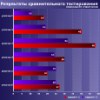
Performance results. Quantitative tests. Anti-Aliasing. Addition.About additionIn this section I will estimate operation of the MAXTreme driver. The driver's version with which I carried out the tests before was too imperfect, and I got a new version with the errors corrected. The test scene remains the same, as well as the test conditions; the only thing that changed is the driver's version. Well, let's see what the drivers can do. I got some explanations from ELSA concerning a too low performance of the whole Quadro series in the anti-aliasing mode with the MAXTreme driver used (you can read them in the 4th part of the review); but it turned out that the problem is not simple to solve. The Use Triangle Strip option has nothing to do with it, because the rendering is processed not by means of the video card but by the processor's means, whether this option is enabled or not. When this option is disabled, the rendering becomes faster because half of the lines disappear, but it doesn't influence quality or quantity. However, we had all this in the last version, and today we have a new one - 4.00.21. Let's see whether the speed is improved: 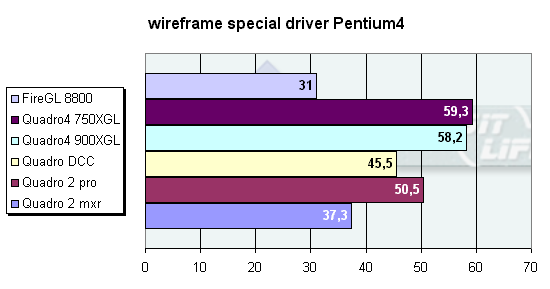 Old version - 4.00.13 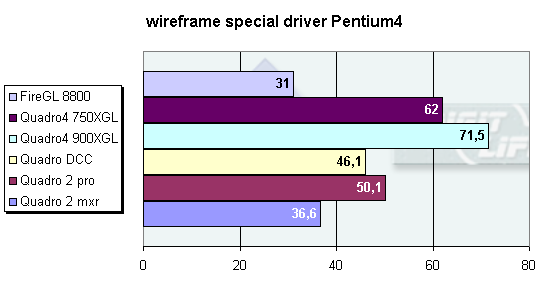 New version - 4.00.21 Well, the programmers have managed to improve the speed. Now the Quadro4
900XGL is the leader, as it must be, then we have Quadro4 750XGL, which
is followed by the Quadro2 PRO, Quadro DCC and the last one is Quadro2
MXR. Let me explain the layout - look at the frequencies of the chip
and of the memory.
Memory:
Now, I think, you understand why we have such results. In this scene the most part of the load is laid on the chip. The faster the chip and memory of the card, the faster the rendering. This is just a rough approximation because I don't take into account different cores, different throughput of buses, different memory and other factors. But the main thing is that this scene loads nothing but the chip and the memory, and the task of the card is very simple. And now let's enable anti-aliasing. Here are the respective settings in the drivers (for the Quadro line): 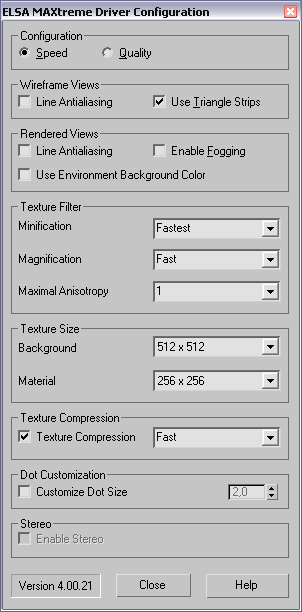 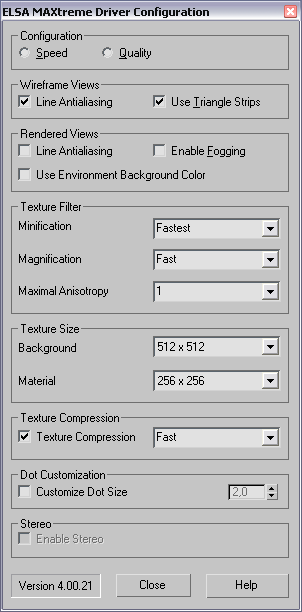 Well, the AA is enabled, let's look at the results in the new version. 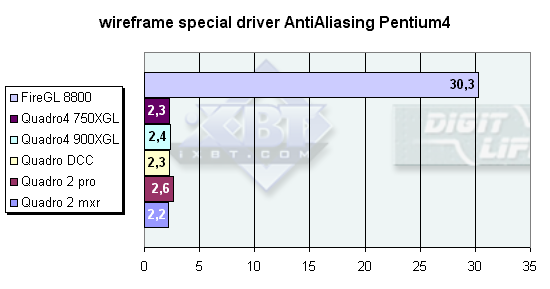 Old version - 4.00.13 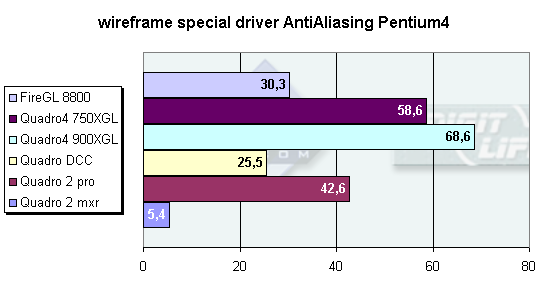 New version - 4.00.21 No we can see that the AA is processed by the GPU, while in the previous version it was done by the CPU. The error is corrected. Note that the speed decrease is about 2% on the fastest card - Quadro4 900XGL. This is not much. The driver works fast. But the speed is not enough for operation with the line anti-aliasing enabled. AA quality is also important. I'm not going to show screenshots of the two versions without the AA, because they do not differ in rendering quality. I will try to compare these versions with the AA enabled. Quadro2 MXRFirst comes the screenshot with AA in the ver.4.00.13, then with AA in the ver.4.00.21. 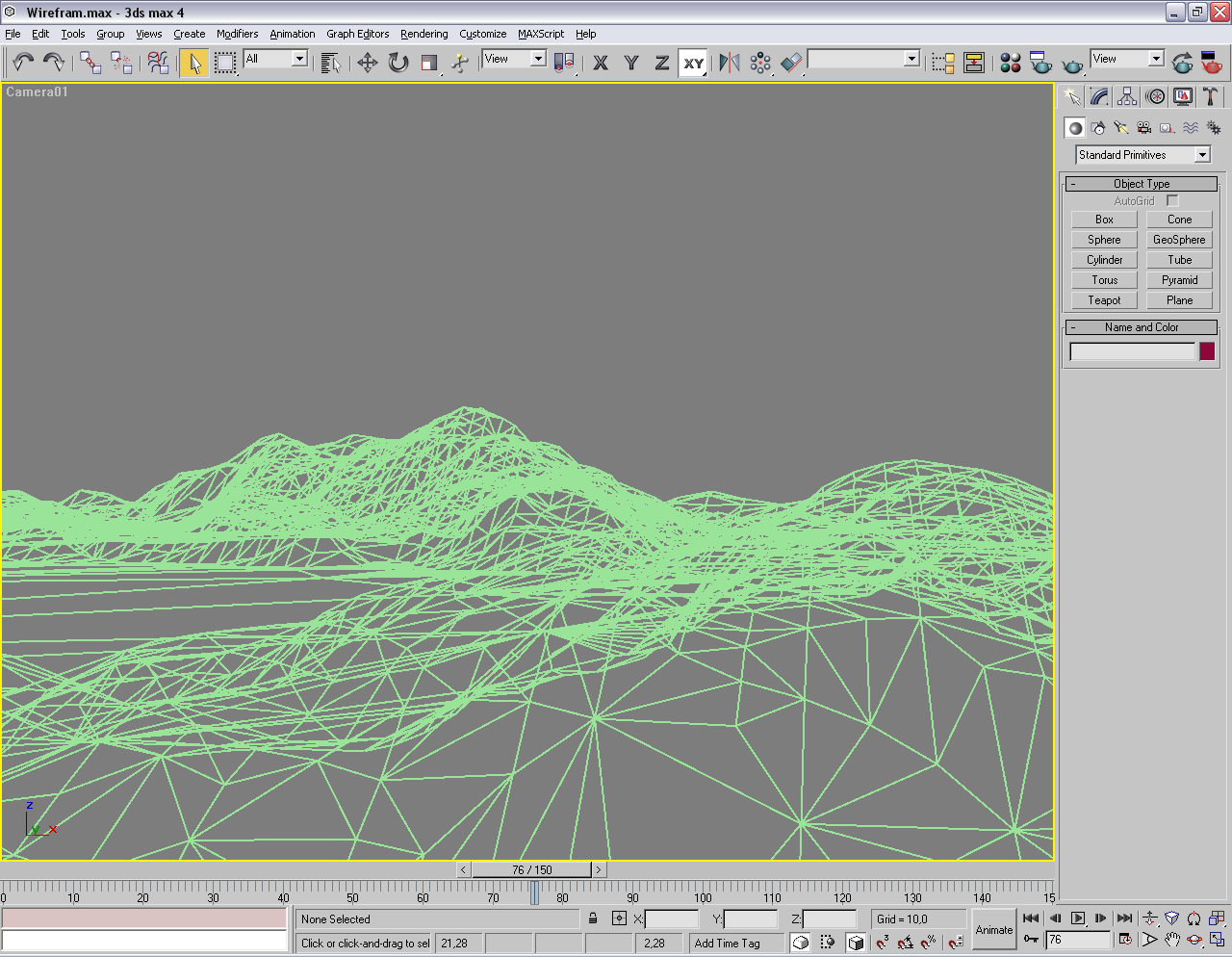 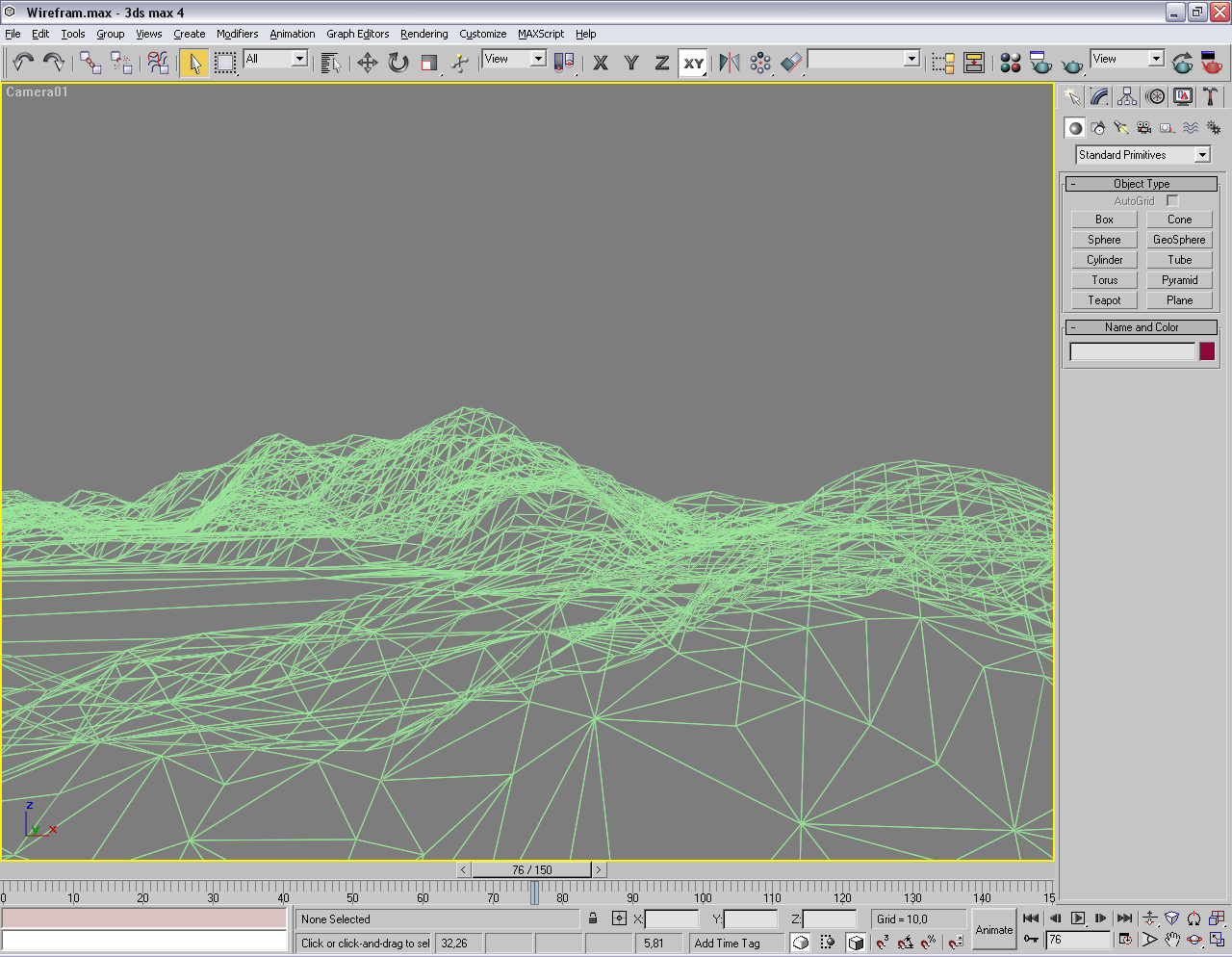 Here are enlarged pictures: 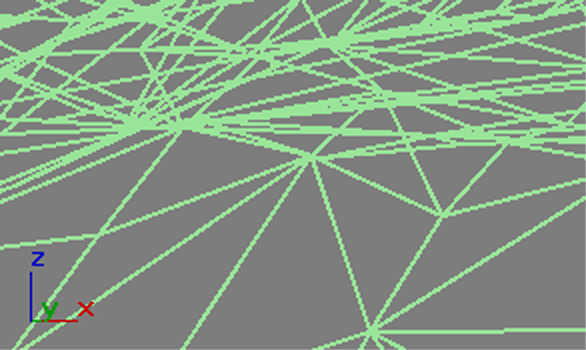 Line antialiasing enabled, 4.00.13
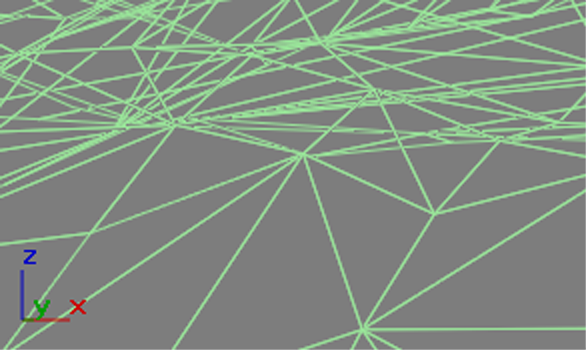 Line anti-aliasing enabled, 4.00.21 Well, the AA is of rather high quality now. It concerns all Quadro cards: Quadro2 PROFirst comes a screenshot with the anti-aliasing in the 4.00.13,
then with the AA in the 4.00.21.  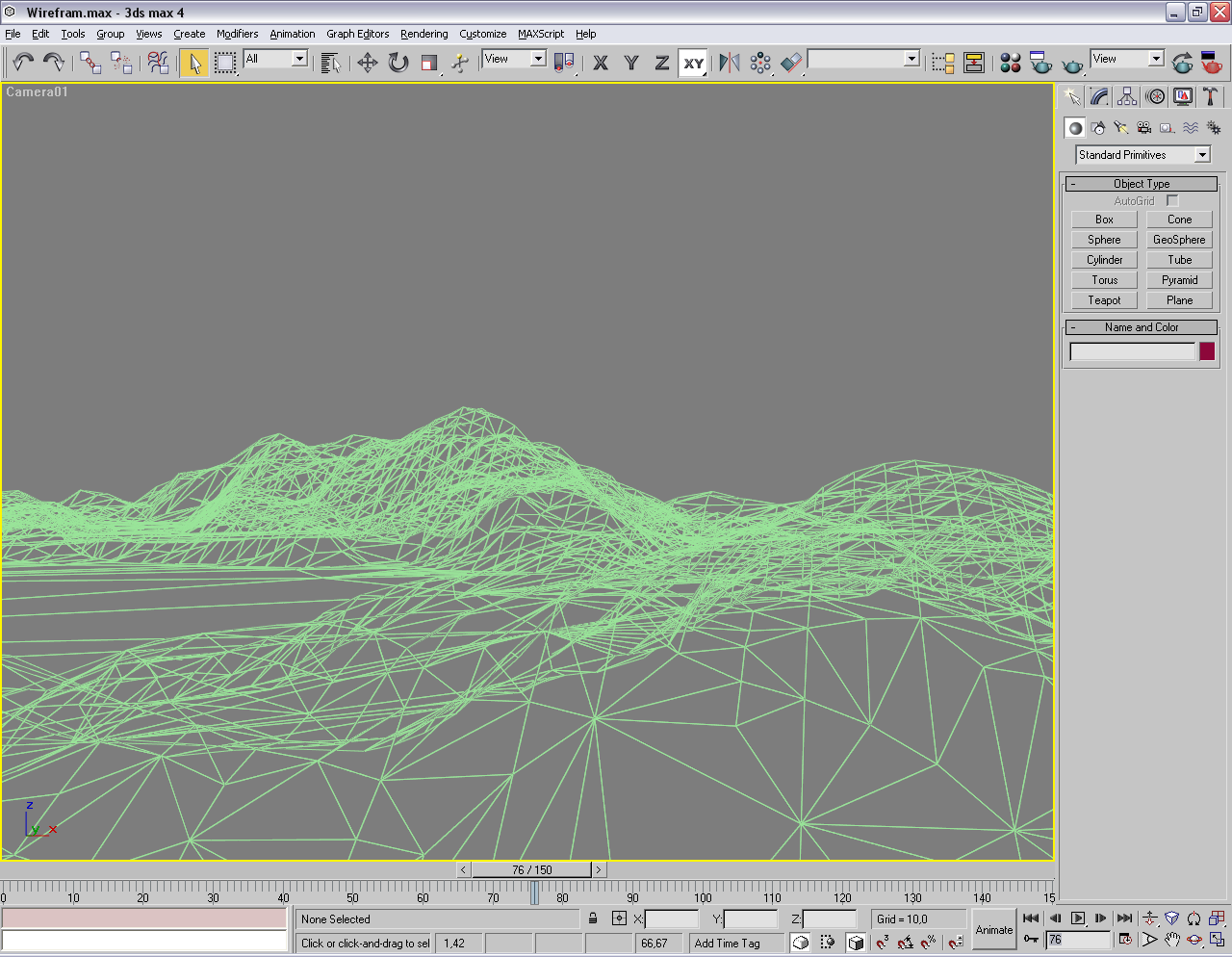 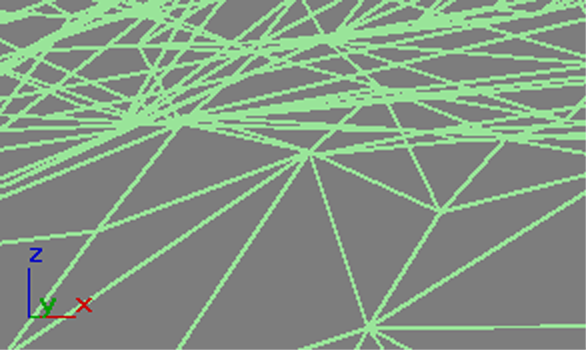 Line anti-aliasing enabled, 4.00.13
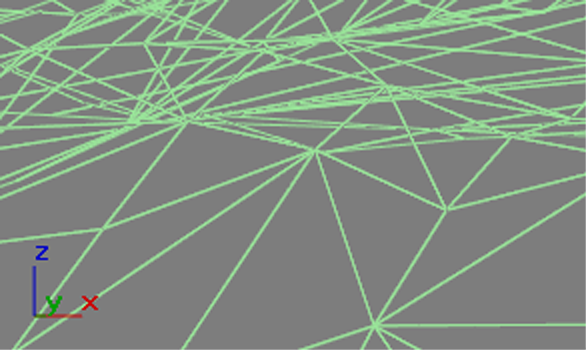 Line anti-aliasing enabled, 4.00.21 Quadro DCCFirst comes a screenshot with the anti-aliasing in the 4.00.13, then
with the AA in the 4.00.21. 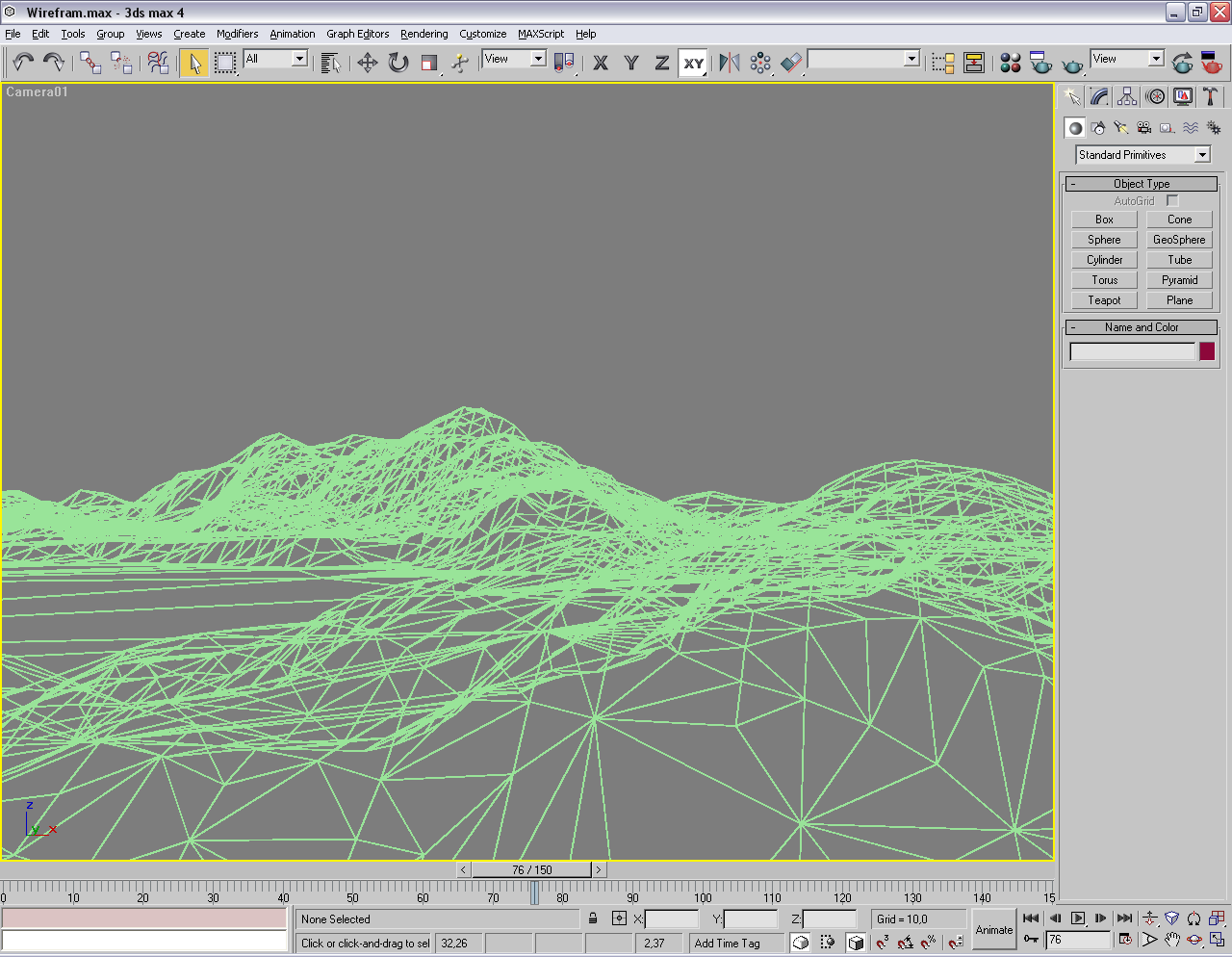  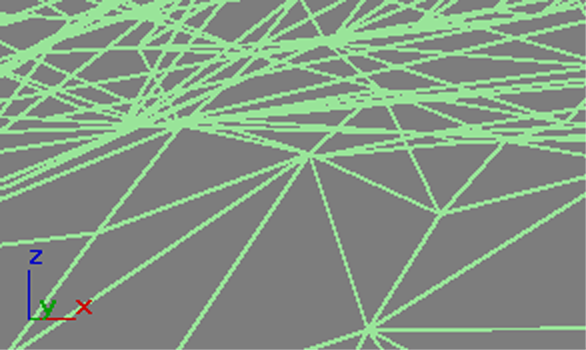 Line anti-aliasing enabled, 4.00.13
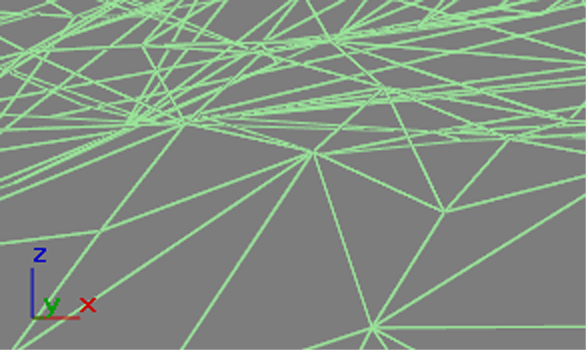 Line anti-aliasing enabled, 4.00.21 Quadro4 750XGL and Quadro4 900XGLI joined these two cards because they differ only in the speed
of operation, and they are identical in quality. First comes a screenshot
with the anti-aliasing in the 4.00.13, then with the AA in the 4.00.21. 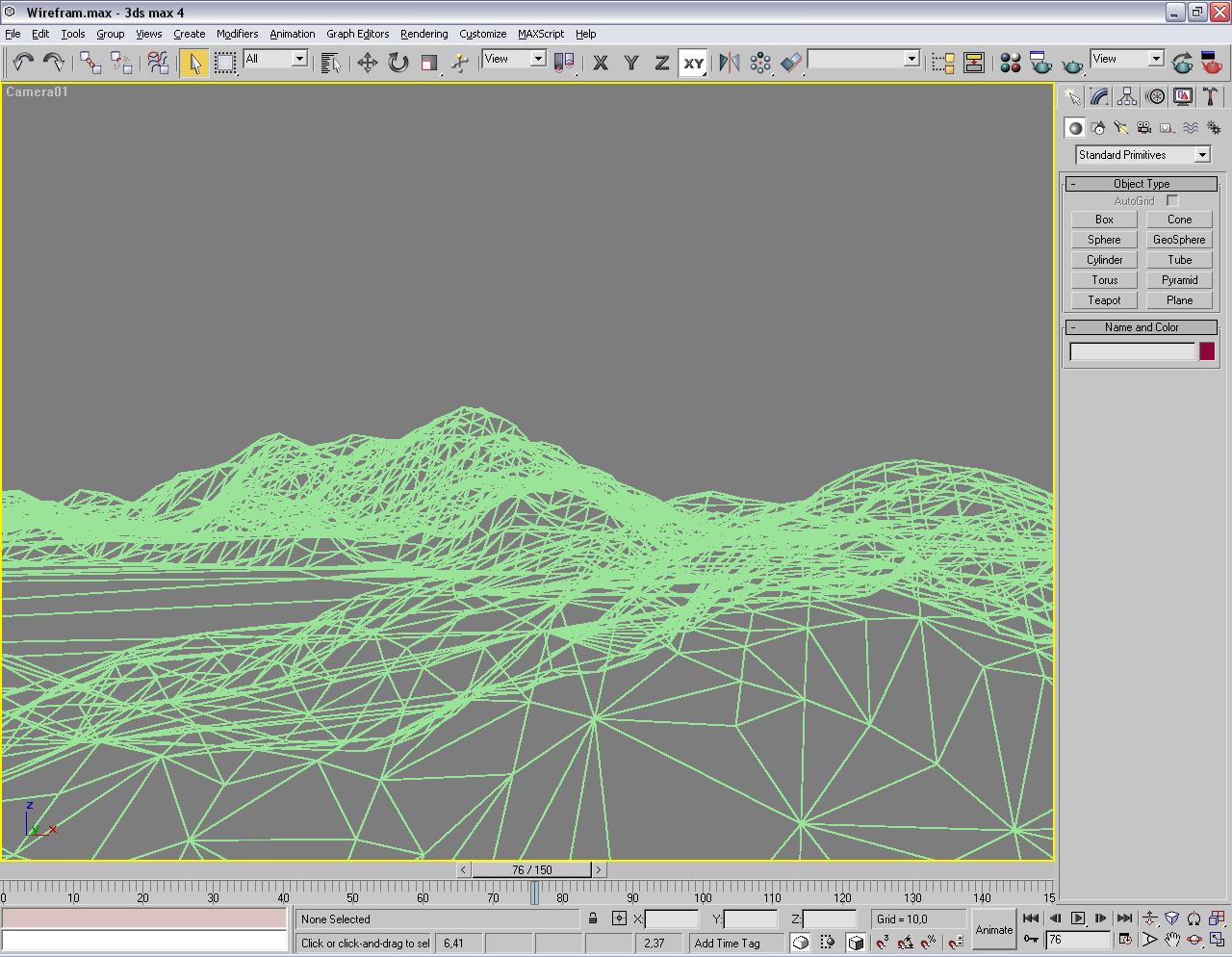  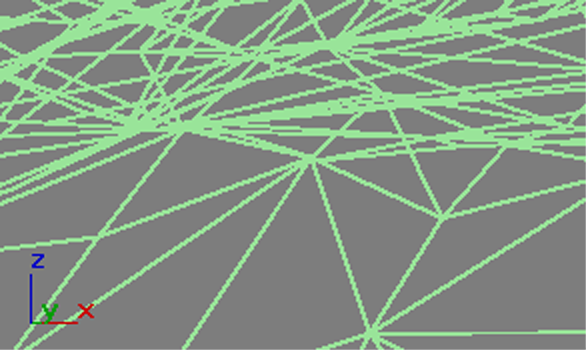 Line anti-aliasing enabled, 4.00.13
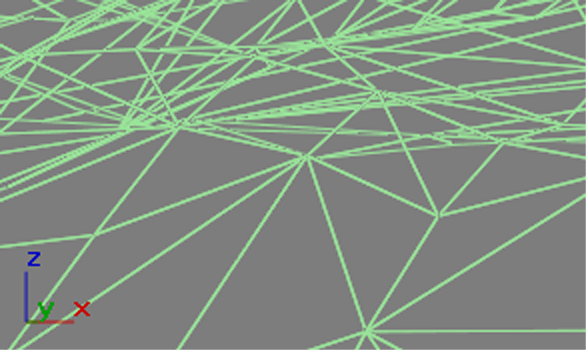 Line anti-aliasing enabled, 4.00.21 Well, the new version of the MAXTreme driver has improved both speed
results and quality. The anti-aliasing now works on the video card level,
and it works well. The drawback is that anti-aliasing is still rough,
as we can see on the enlarged fragments: the lines are rather think
and the stairs are still noticeable sometimes. If the programmers managed
to achieve the results close to those of the 3DLabs' card, the Quadro
cards will be unequalled both in speed and in quality of rendering.
Write a comment below. No registration needed!
|
Platform · Video · Multimedia · Mobile · Other || About us & Privacy policy · Twitter · Facebook Copyright © Byrds Research & Publishing, Ltd., 1997–2011. All rights reserved. |